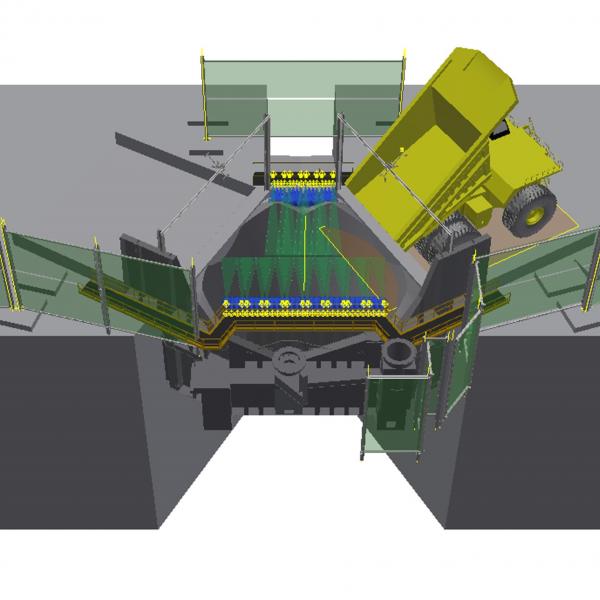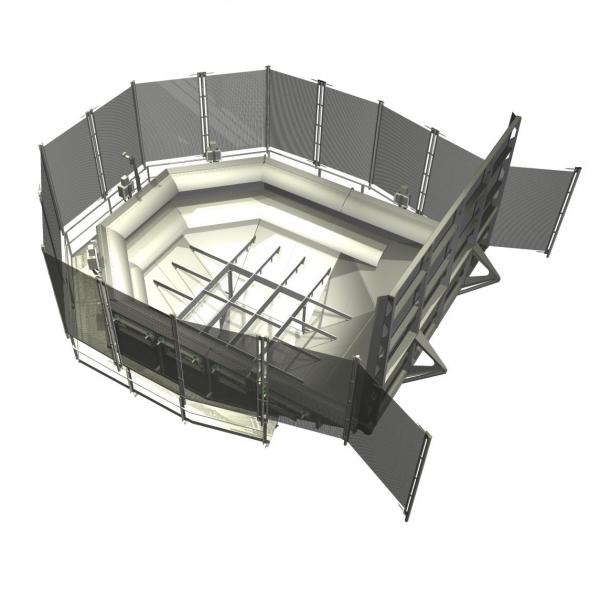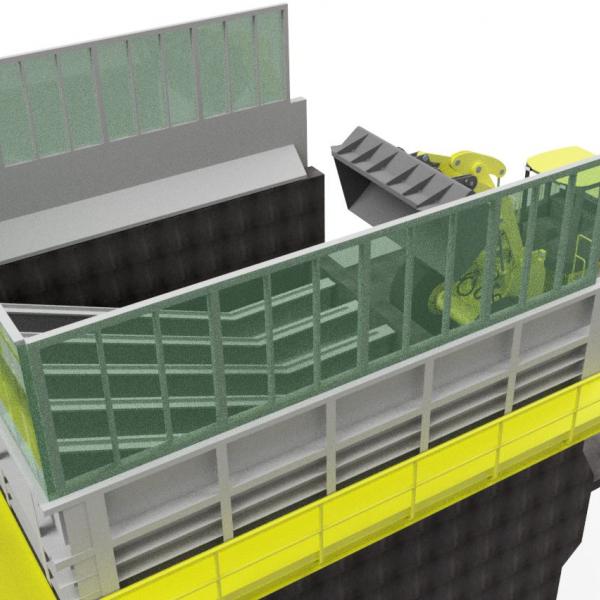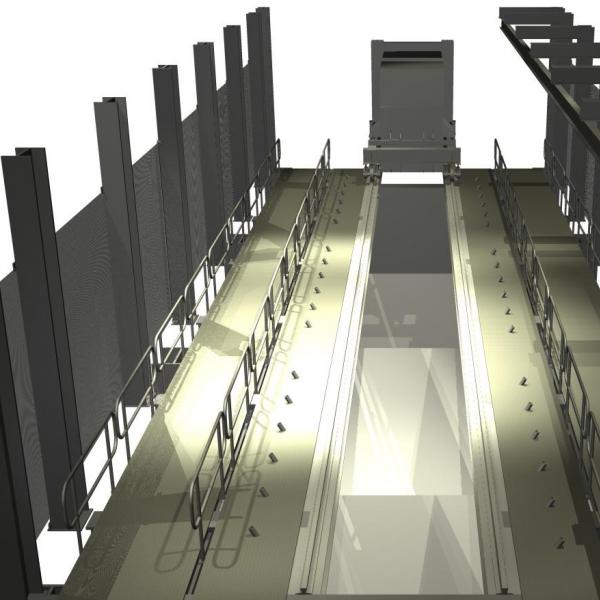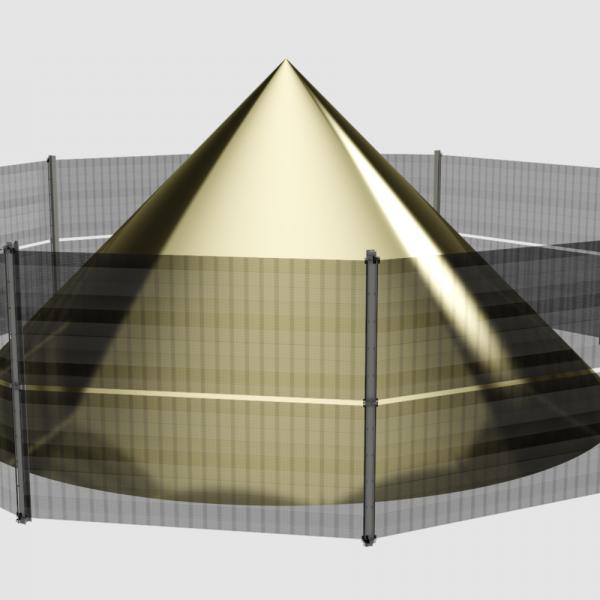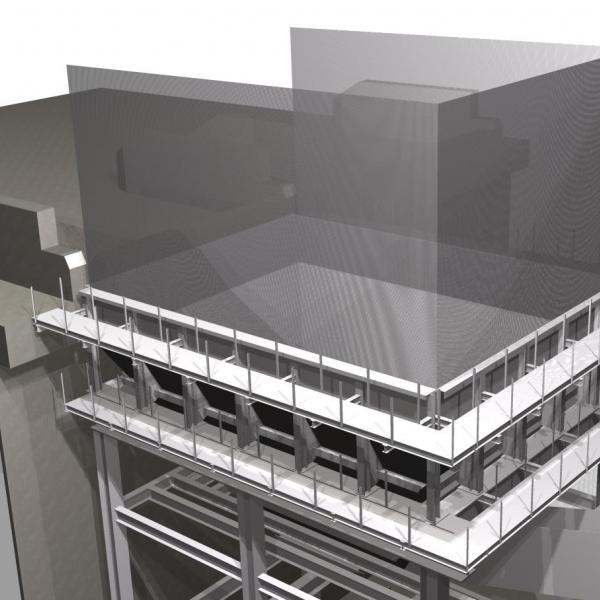
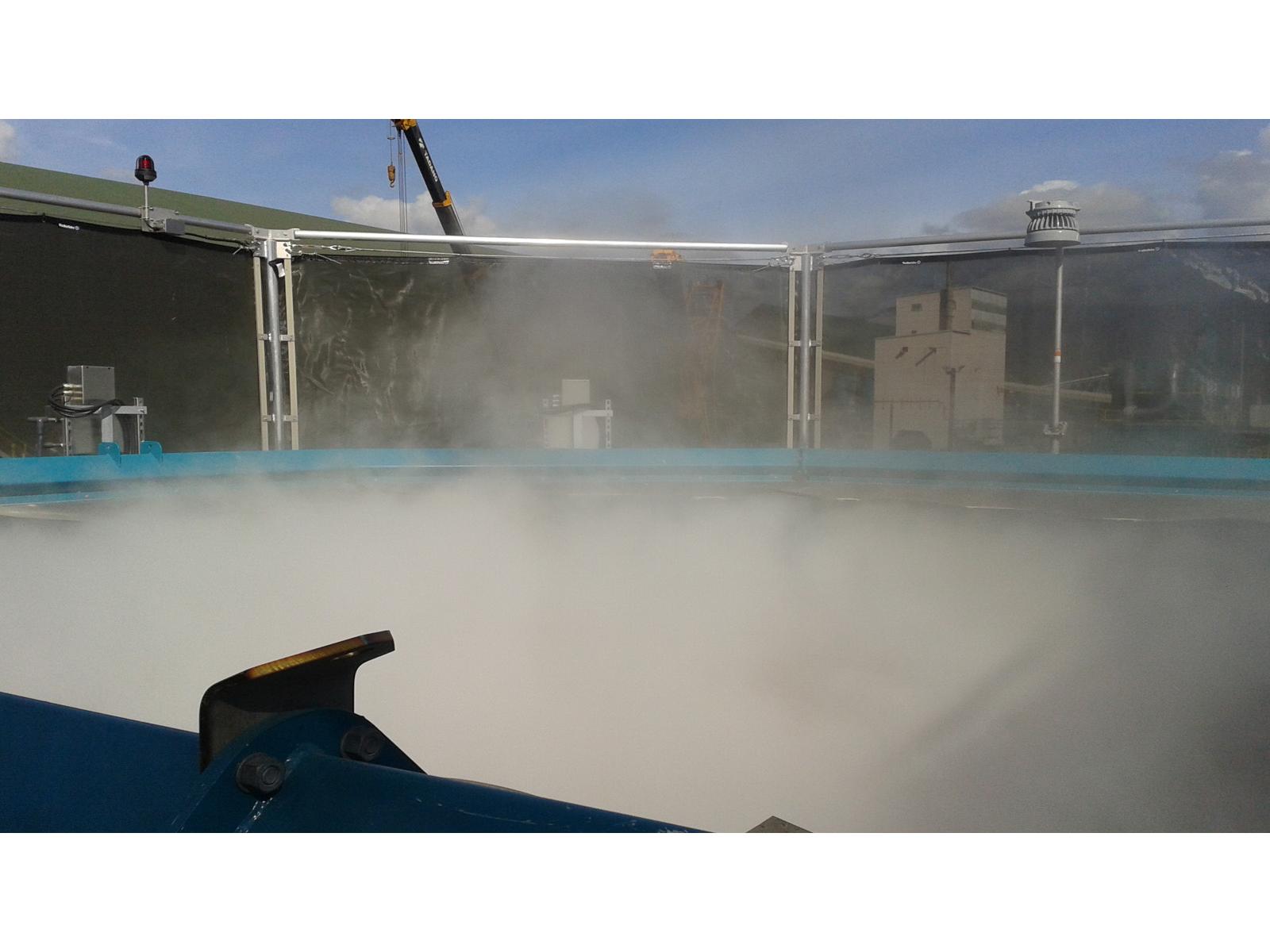
The Raring Corporation integrates wind fences with ADS™ Dry Fog dust suppression systems to combine passive dust containment with active airborne dust control. This integrated approach is commonly used in high-dust and wind-exposed applications such as port unloading hoppers, mining tripper cars, truck dumps, dump pockets, and bulk material handling transfer points.
Effective ADS™ Dry Fog performance depends on proper dust containment and retention time. Wind fences help create a controlled boundary around the dust source, reducing the impact of wind gusts, limiting dust dispersion, and keeping the fog and airborne dust within the treatment zone long enough for agglomeration to occur.
By combining wind fence technology with ADS™ Dry Fog, TRC provides a highly effective solution for challenging dust control applications where open equipment, wind exposure, and operational access requirements make full enclosure difficult.
This combination is especially valuable in port facilities, where unloading hoppers are often exposed to changing wind directions and strong wind gusts. In these applications, wind fences help improve containment around the hopper while ADS™ Dry Fog captures airborne dust at the source. TRC has successfully implemented this integrated dust control approach in multiple ports, mining operations, and bulk material handling facilities worldwide.
TRC can supply wind fences as part of a complete ADS™ Dry Fog dust suppression system or as a standalone dust control solution. Wind fences can be applied to stockpiles, truck dumps, unloading hoppers, transfer points, tripper cars, rail dump stations, and other areas where wind-blown dust and airborne dust emissions are a concern.