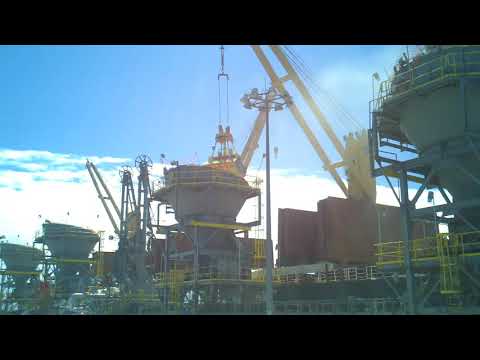
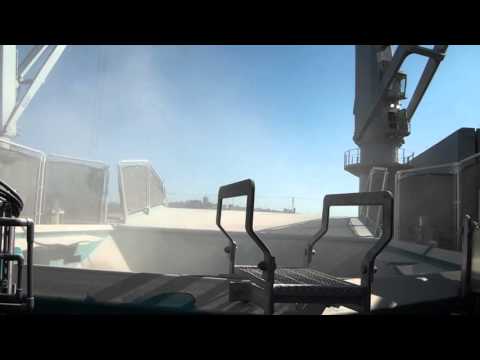
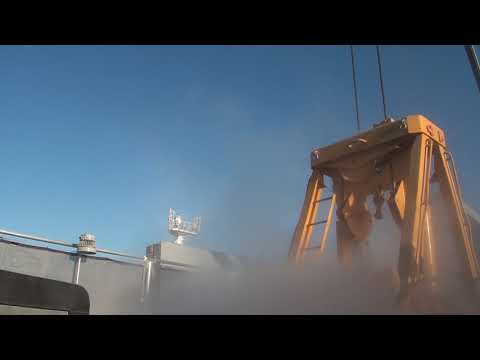
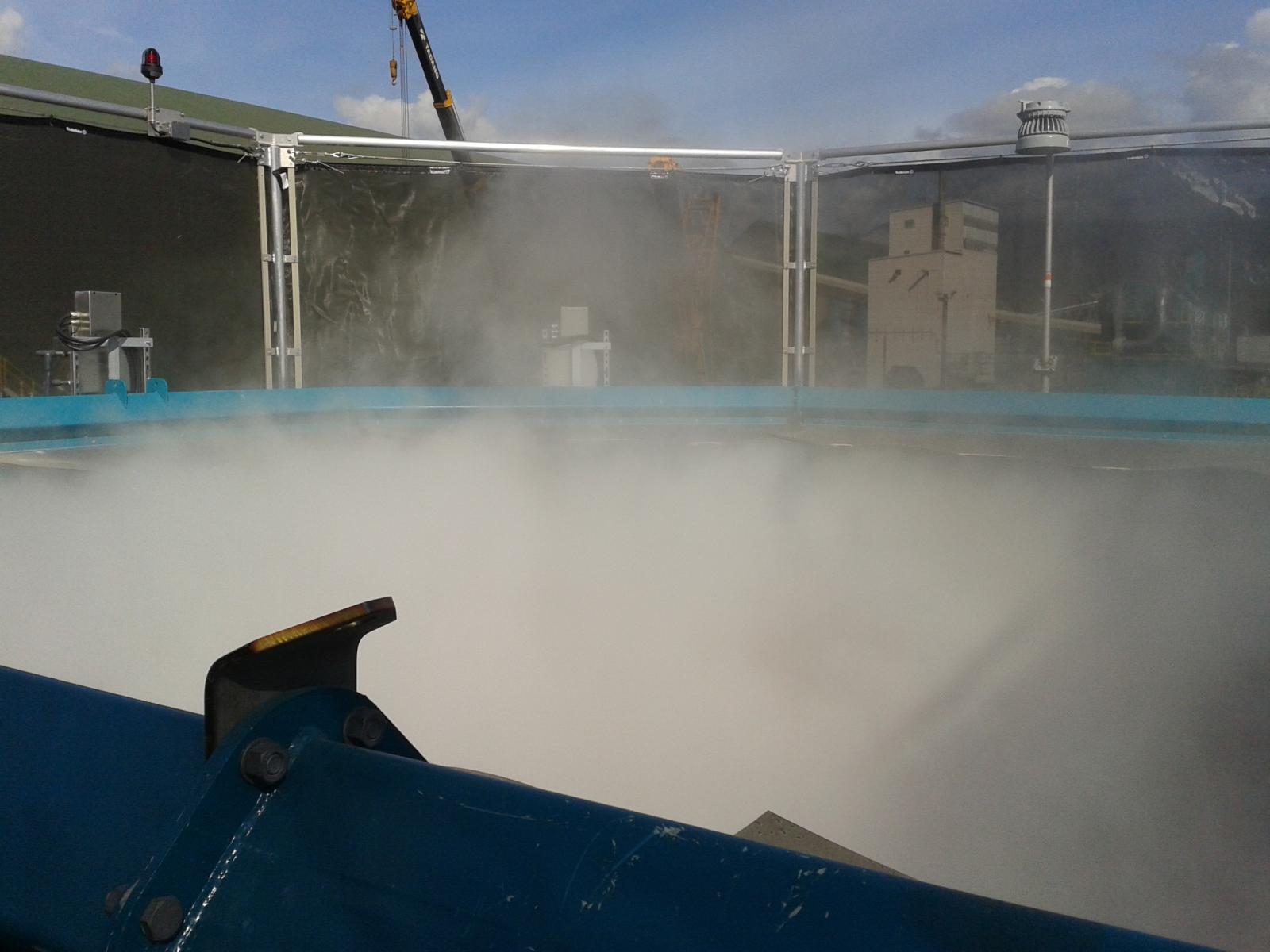
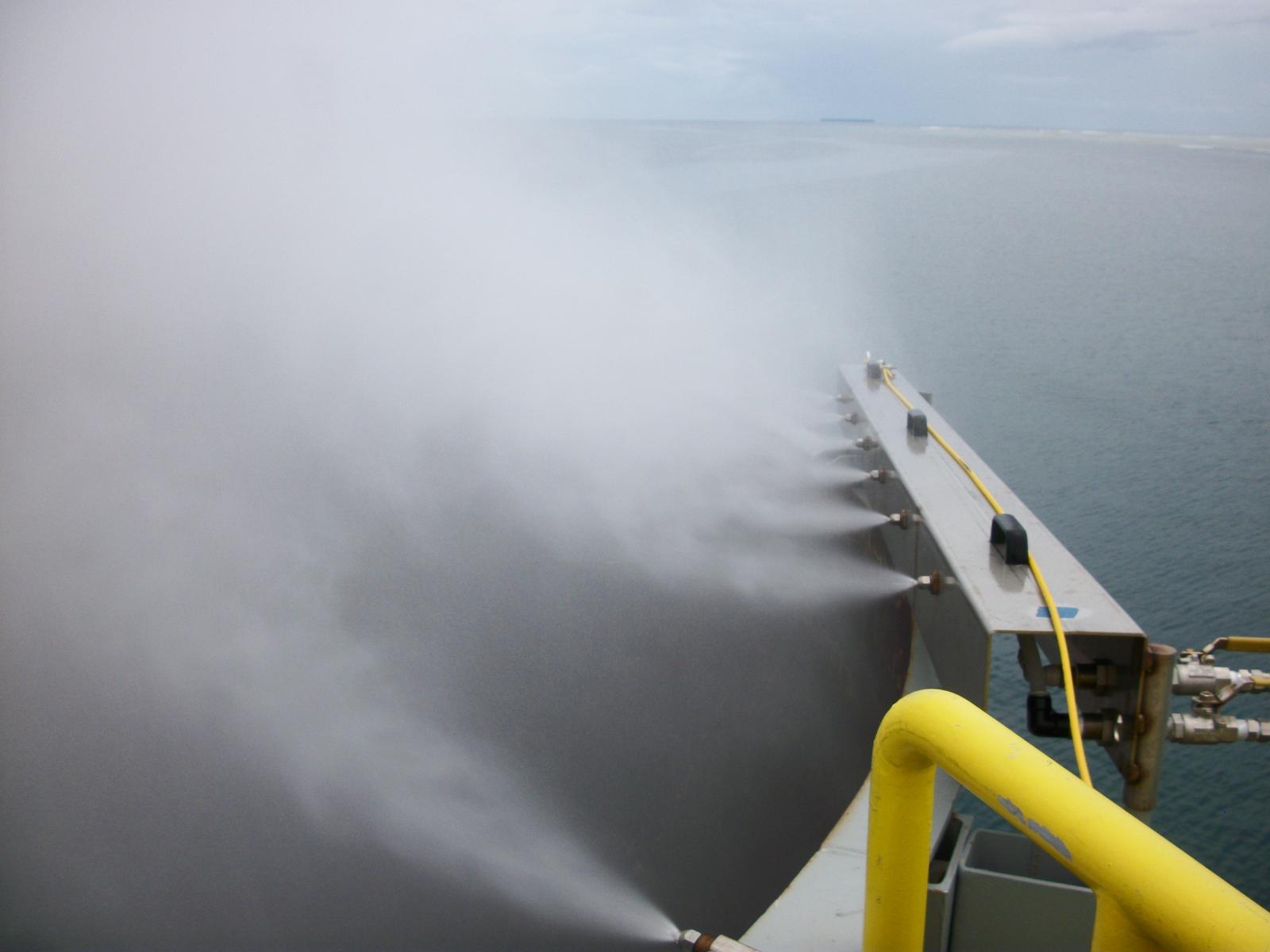
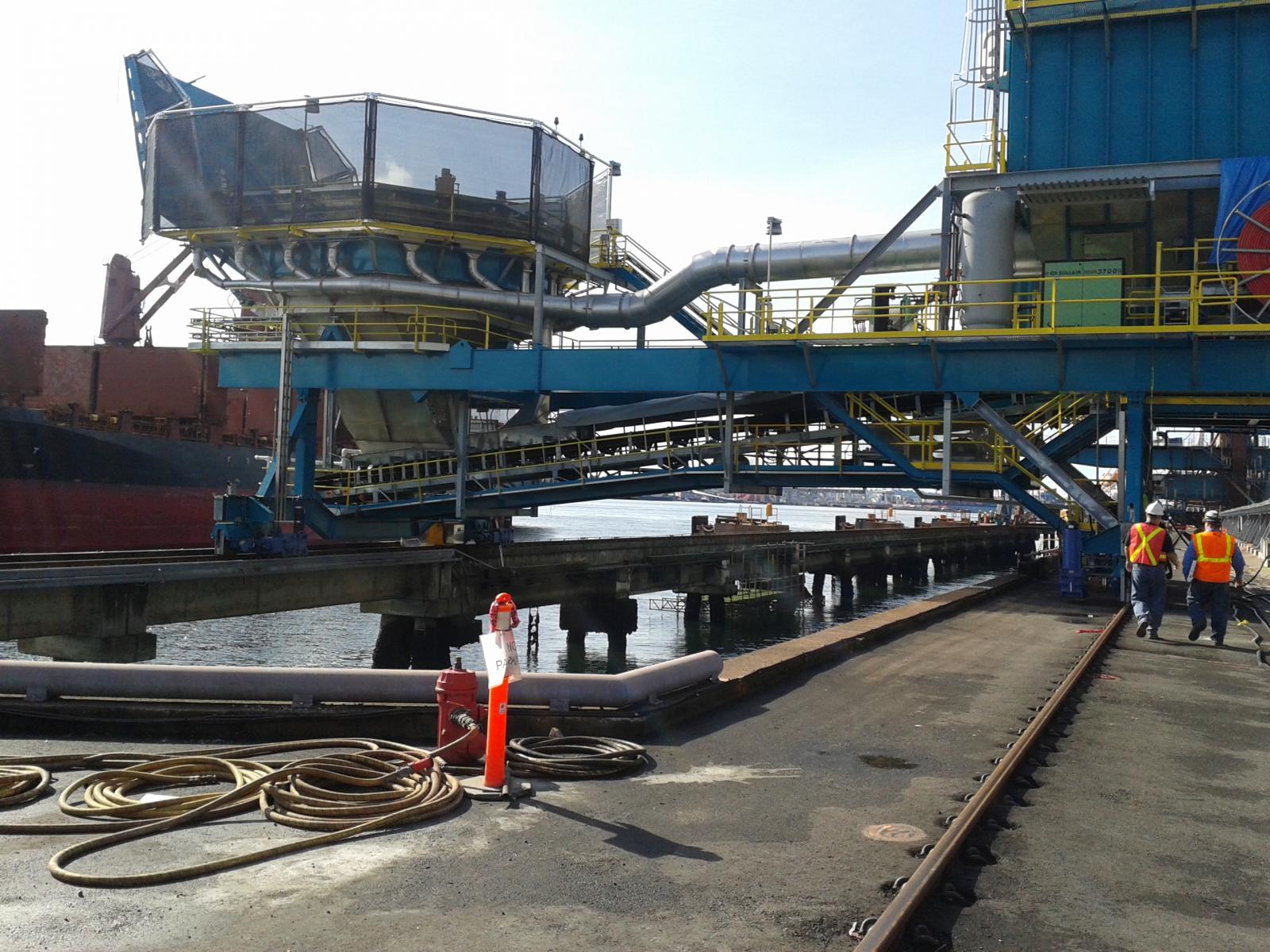
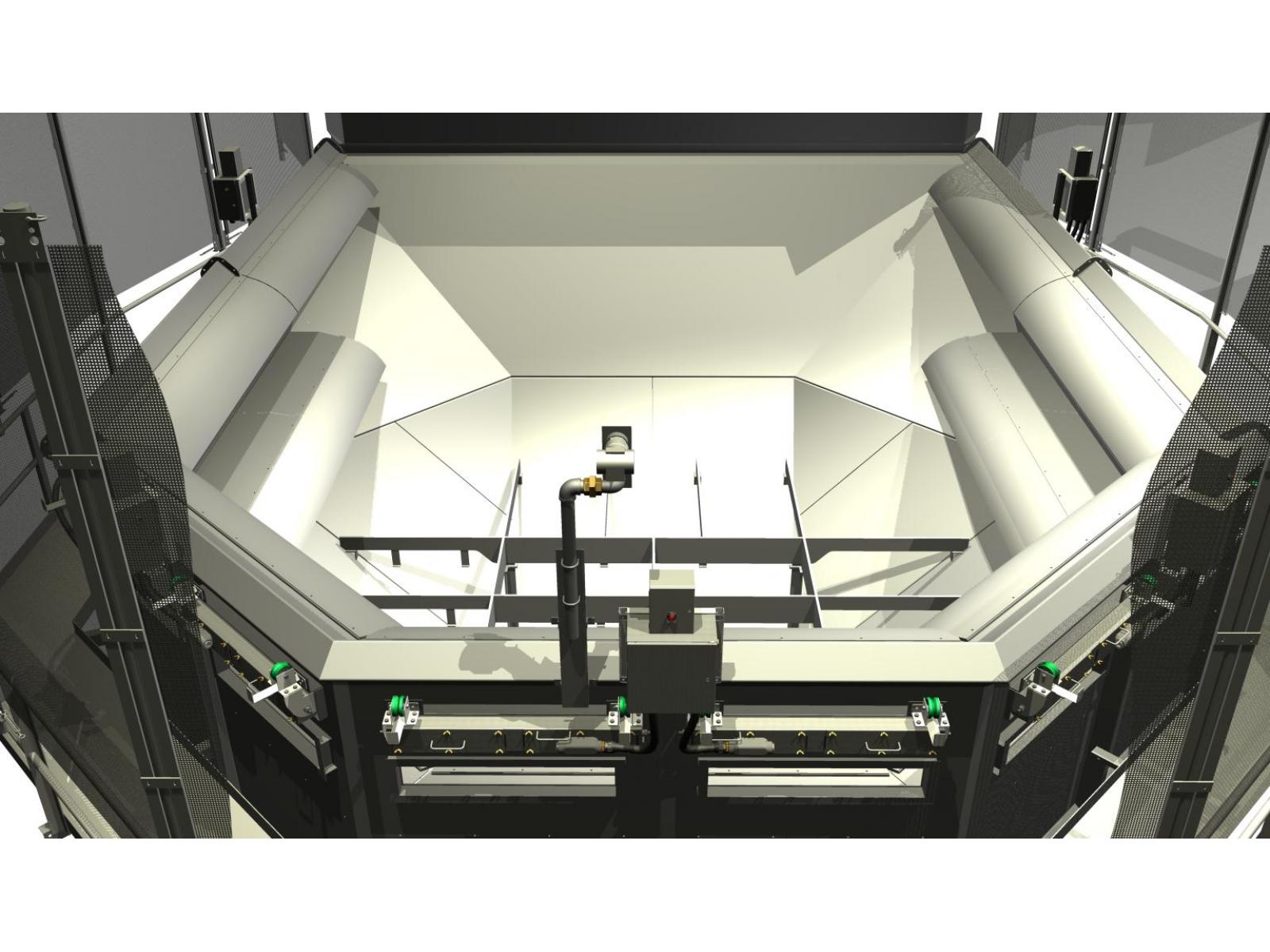
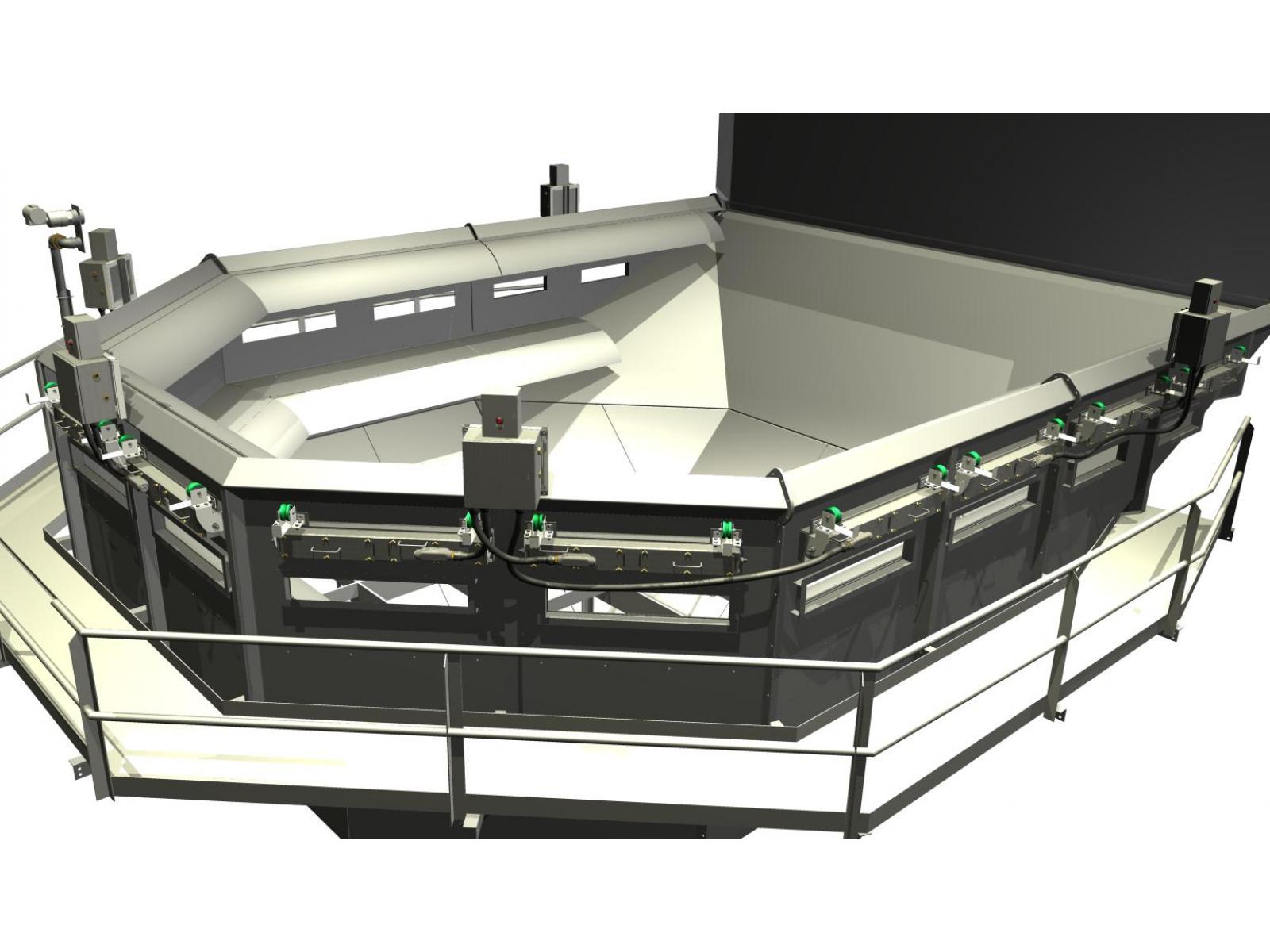
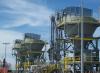
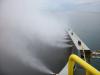
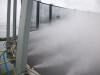
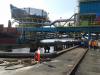
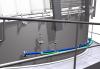
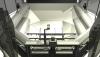
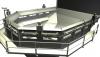
Unloading hoppers in port facilities are often exposed to wind, crosswinds, and changing weather conditions, making them challenging dust control applications. When wind enters the hopper area, airborne dust and TRC ADS™ Dry Fog can be displaced from the treatment zone, reducing dust suppression performance and creating potential environmental concerns.
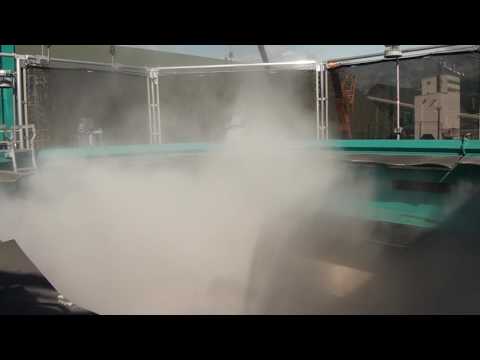
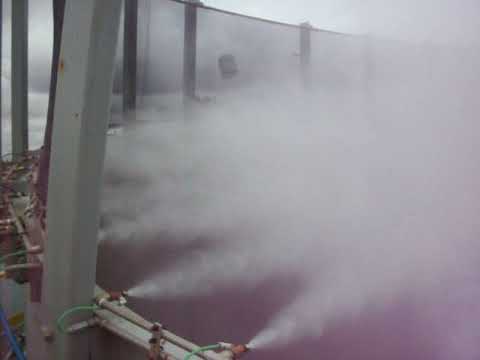
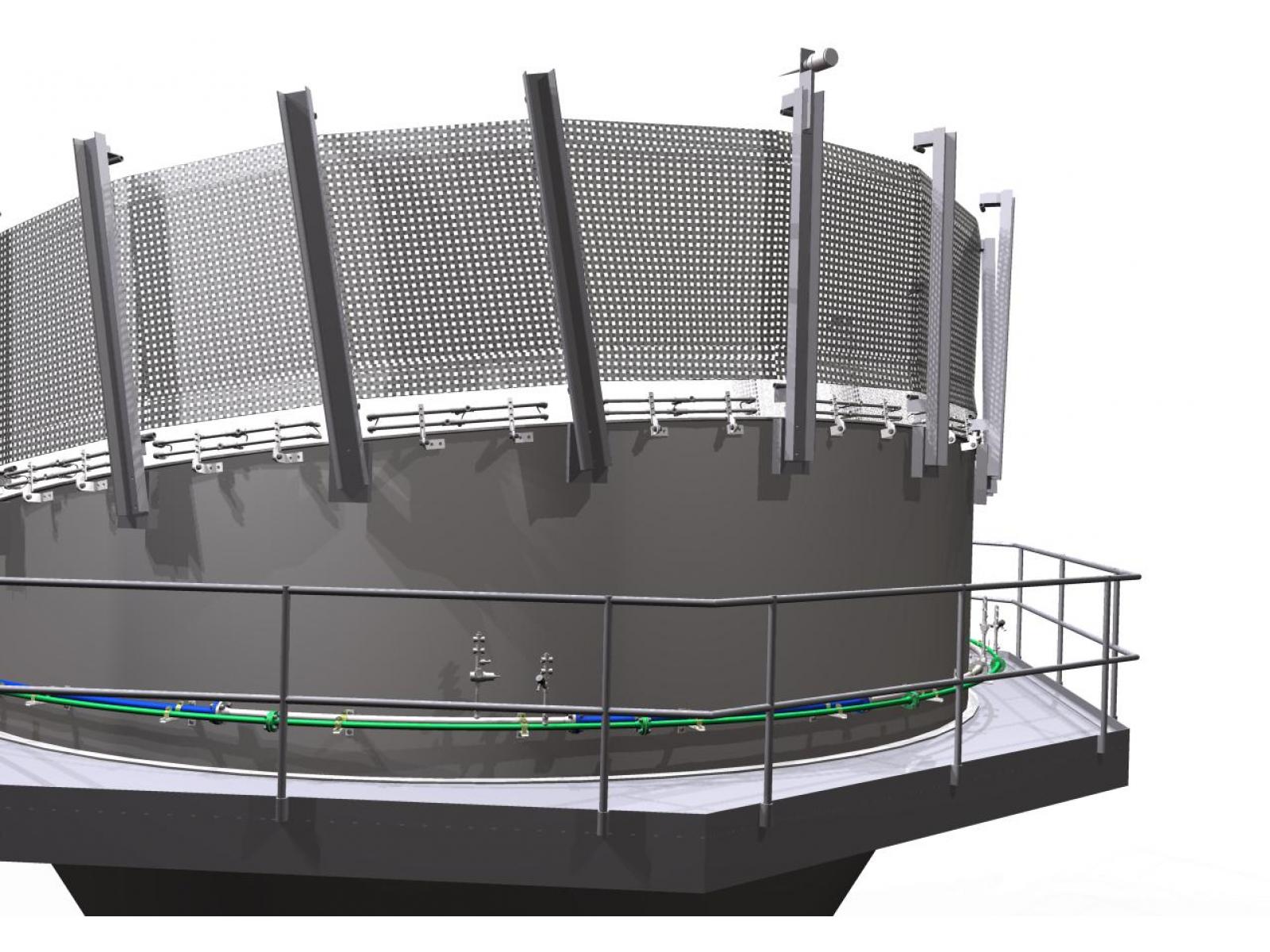
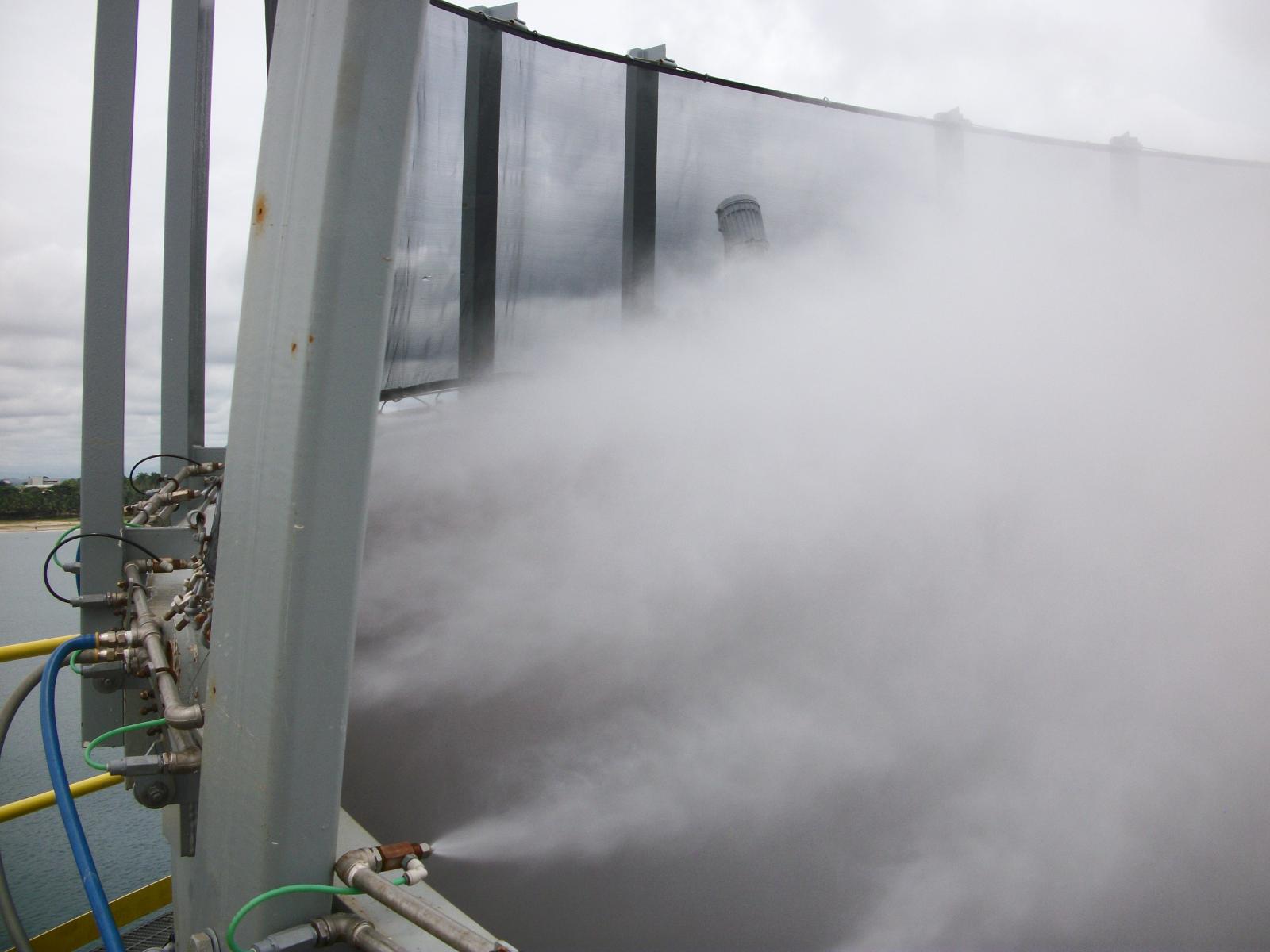
The Raring Corporation recommends integrating TRC ADS™ Dry Fog Dust Suppression Systems with wind fences for unloading hopper applications. This combination brings together passive dust containment and active airborne dust capture to improve overall dust control performance.
Wind fences help reduce wind speed inside and around the hopper, keeping the fog and dust within the controlled treatment zone. This containment provides the retention time needed for ADS™ Dry Fog to agglomerate with airborne dust particles and help them settle back onto the material stream.
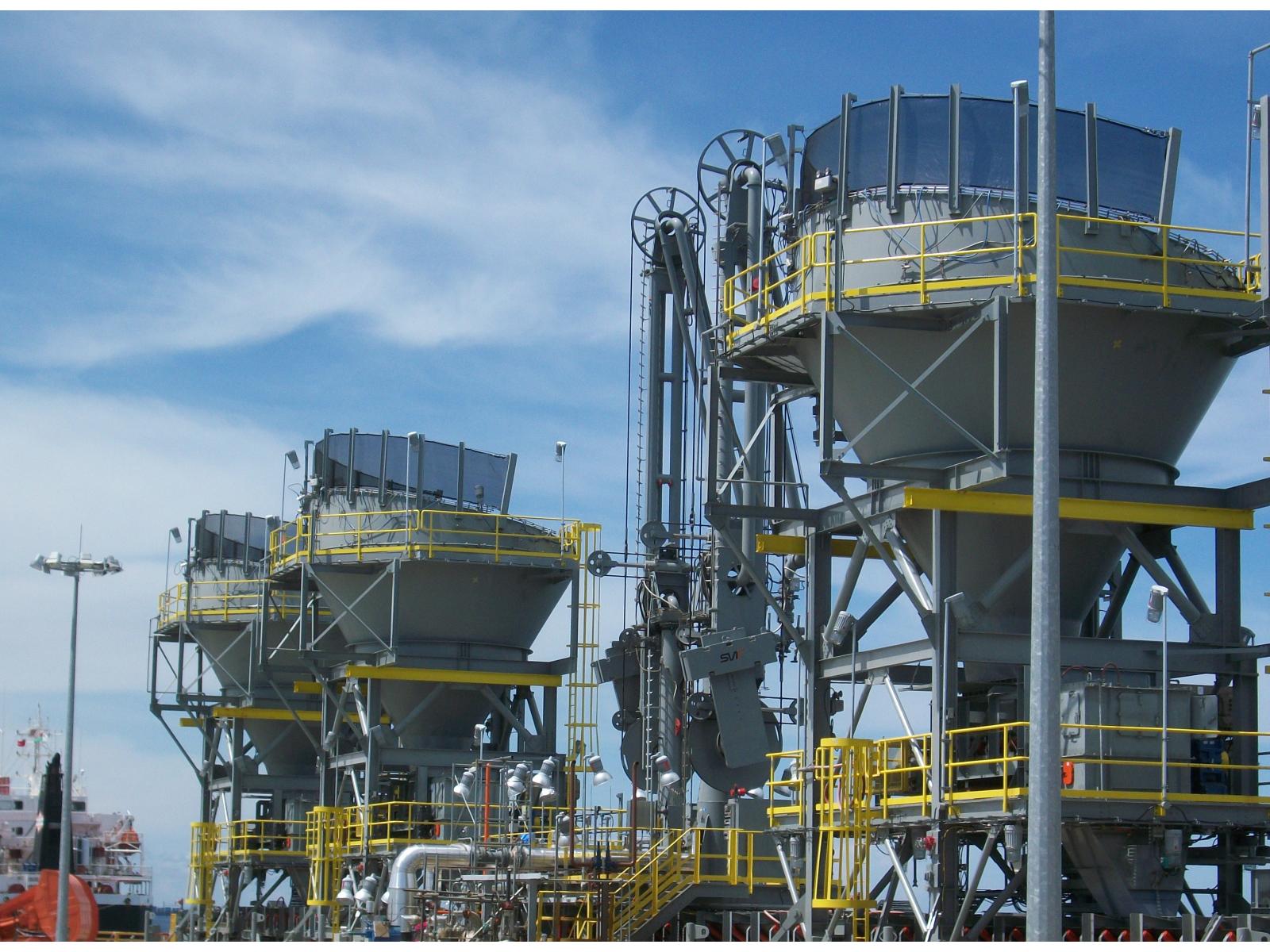
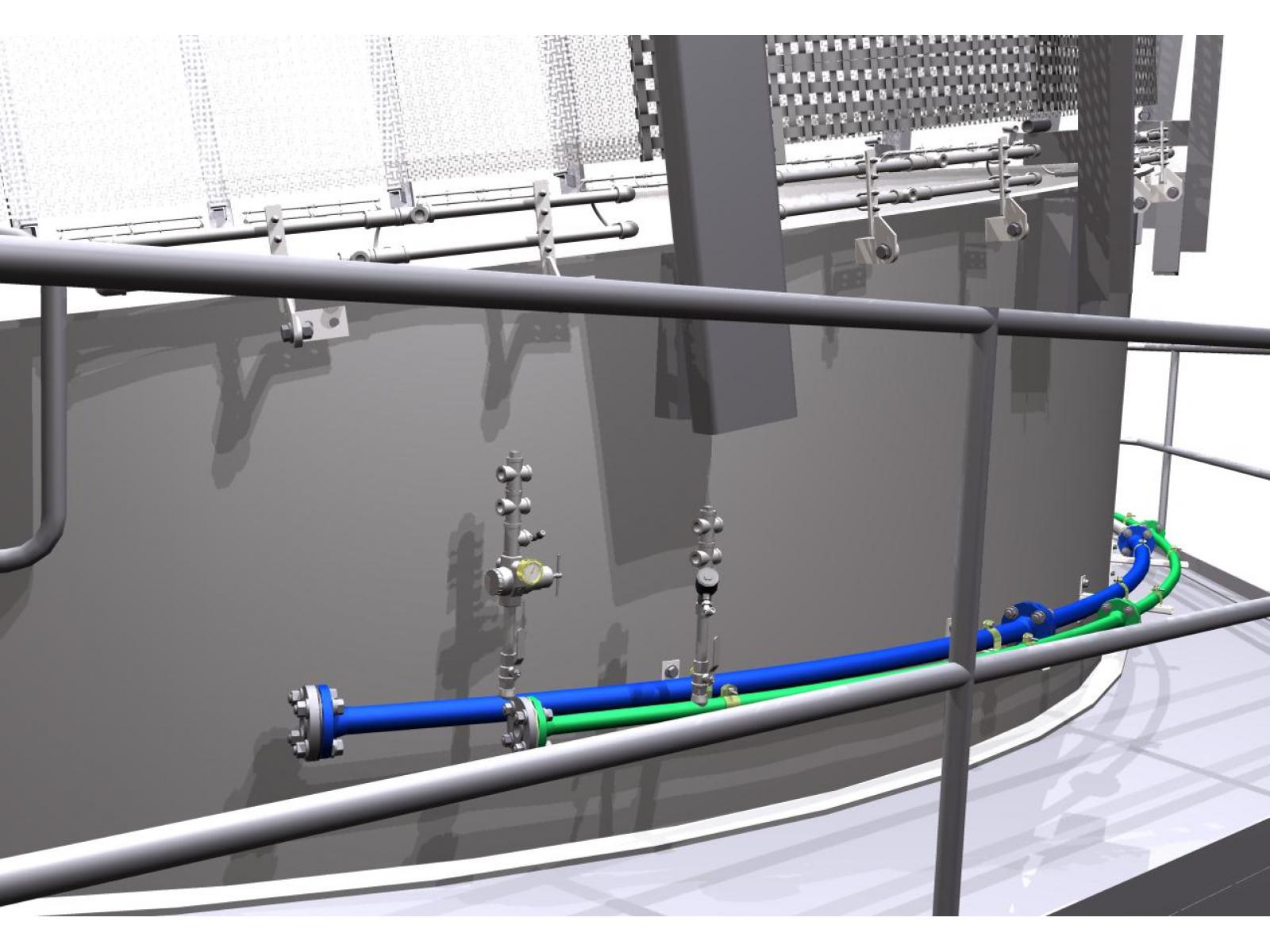
This integrated approach is especially effective in ports, where unloading hoppers are frequently exposed to wind gusts from multiple directions and operational access can limit the amount of enclosure that can be installed. By combining TRC ADS™ Dry Fog with wind fences, automation, positioning sensors, compressed air, filtration equipment, and pump skids, TRC provides a reliable dust control solution for port unloading hoppers and bulk material handling operations.
Technologies: TRC ADS™ Dry Fog, wind fences, automation, positioning sensors, air compressors, air and water filtration skids, pump skids, passive dust containment
Industries: ports, marine terminals, bulk material handling