




[email protected] |   +1 (360) 892-1659 |   Español/English

2.-Dust Containment and Collection Surfaces for ADS™ Dry Fog Systems

< >
<
>

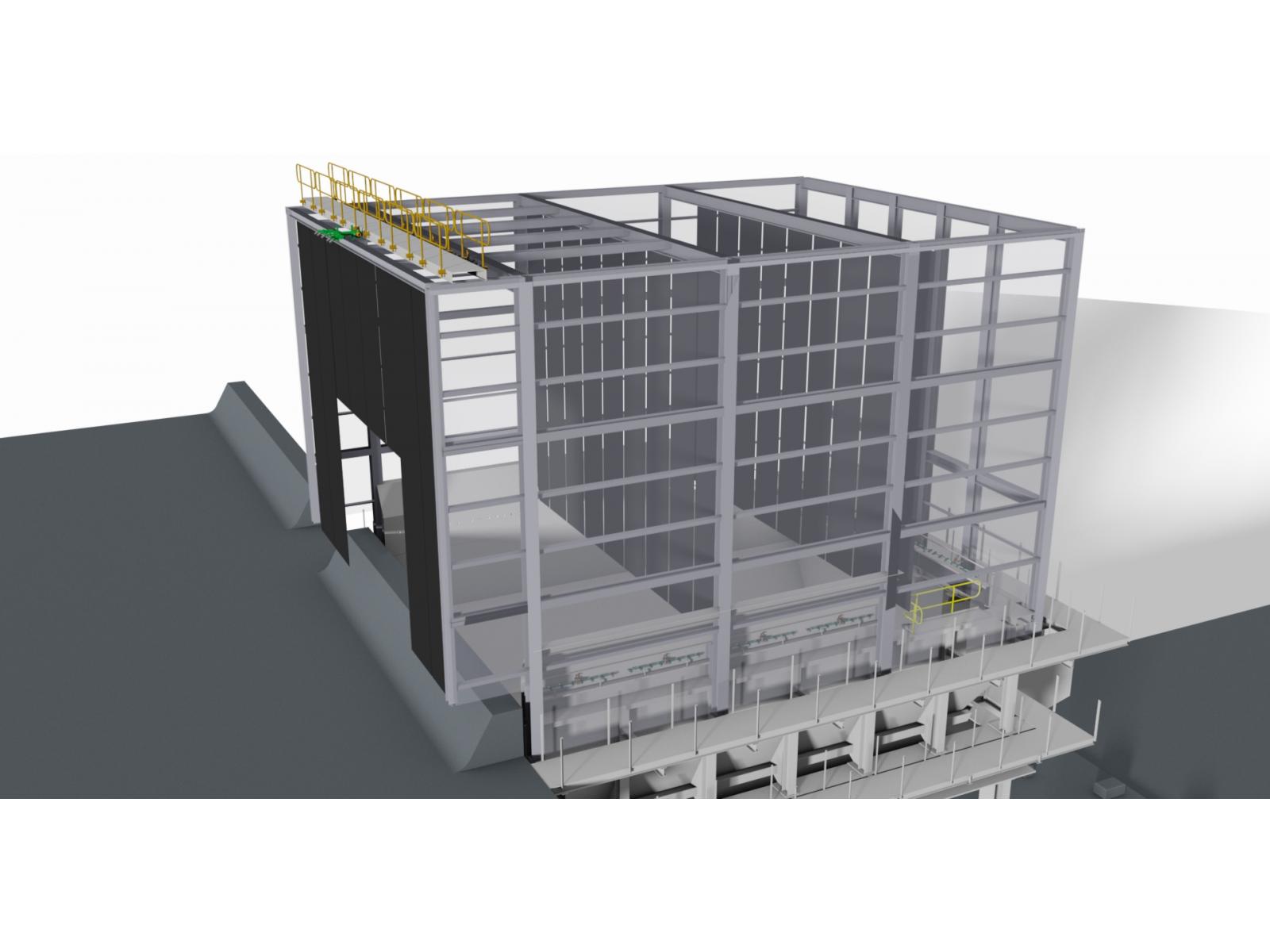
Effective dust suppression begins with proper dust containment. The dust source should be enclosed or sealed to isolate airborne dust and dry fog from wind, ventilation, and other outside influences. Proper containment alone can significantly reduce dust emissions and improve the performance of the ADS™ Dry Fog dust suppression system.

Common dust containment methods include:

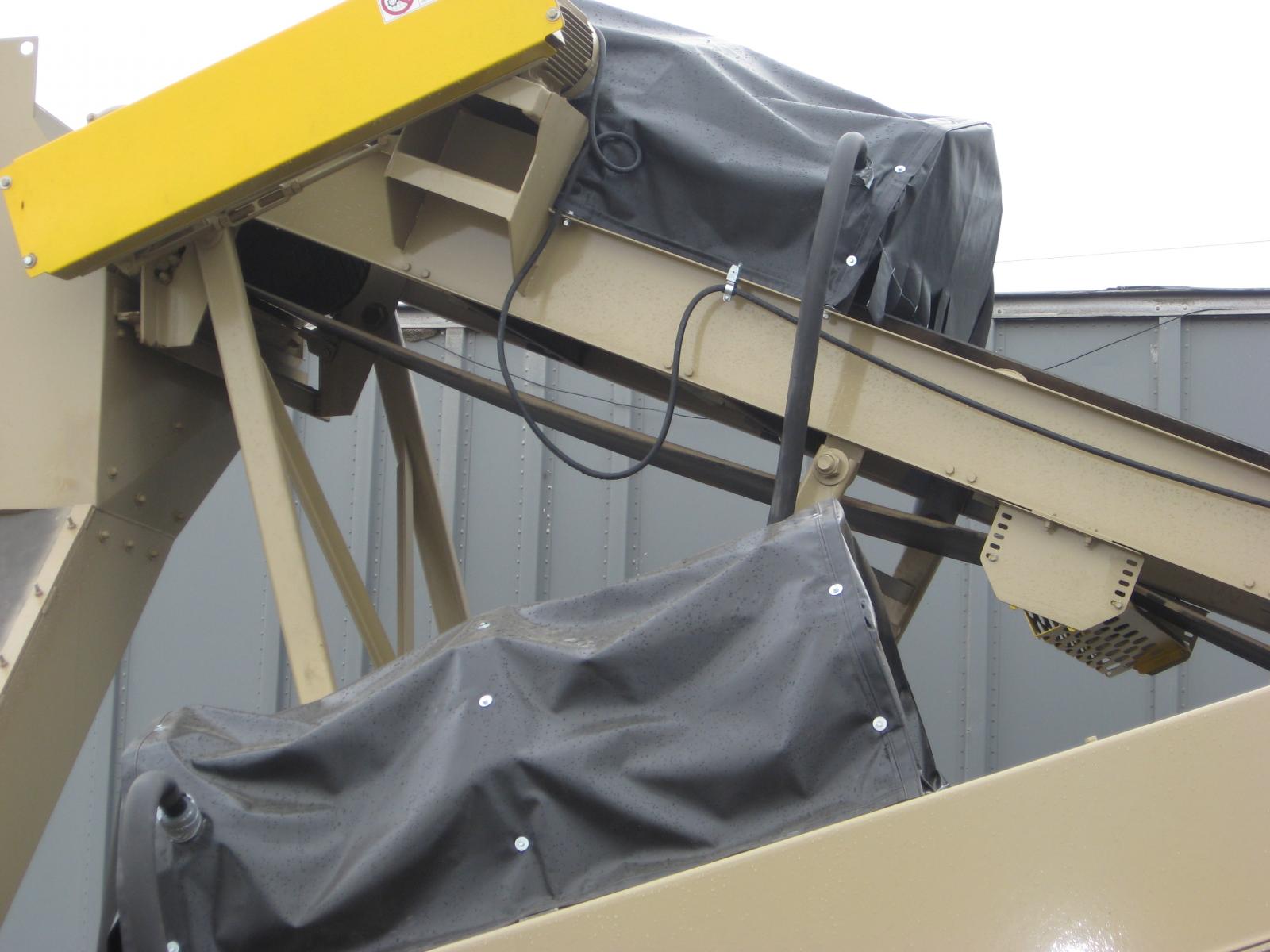
  • Conveyor transfer point enclosures

  • Sealed transfer chutes

  • Stilling sheds

  • Walls or wind fences around truck dumps and dump pockets

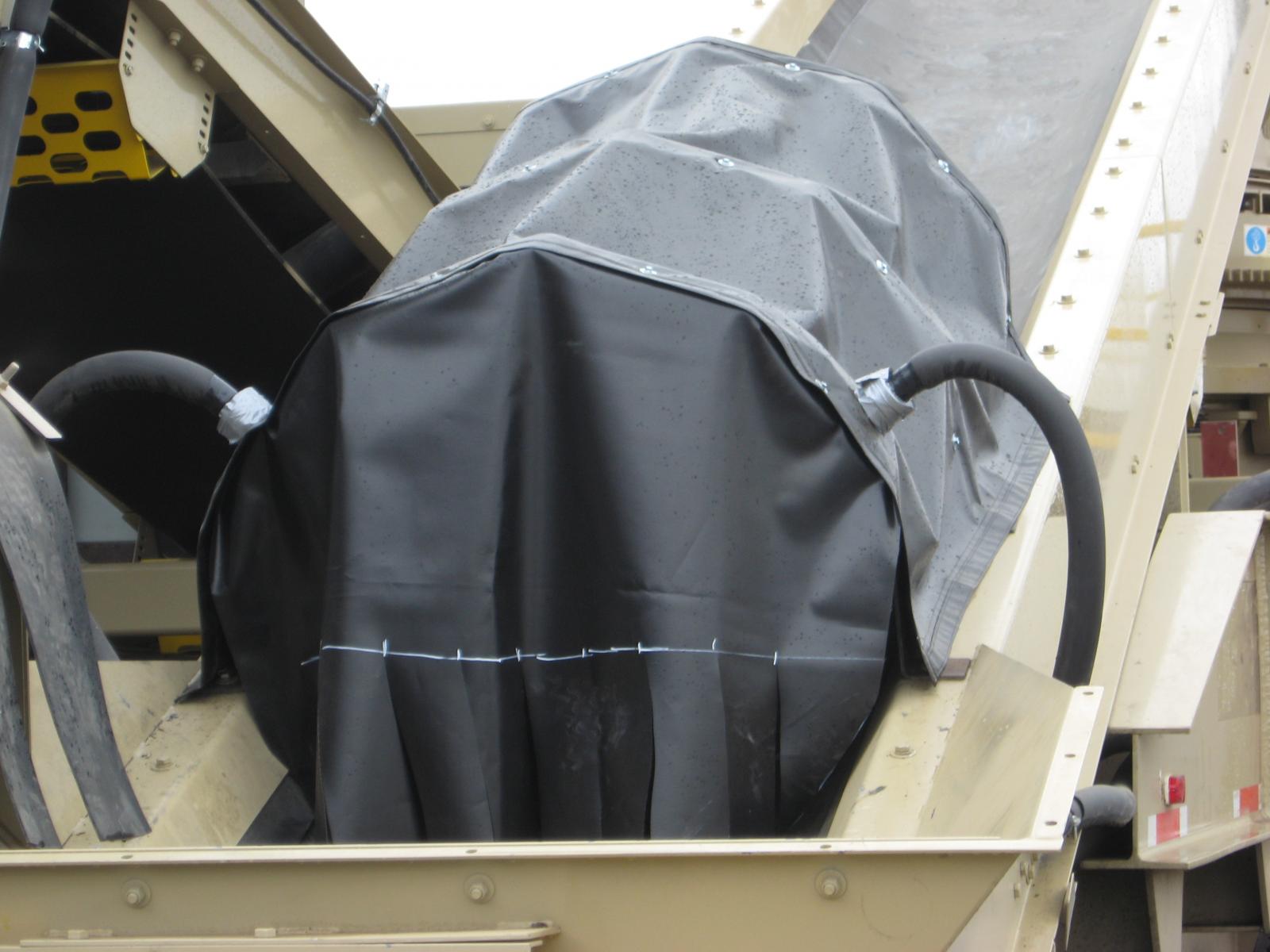
  • Enclosures over vibrating screens, bins, and hoppers

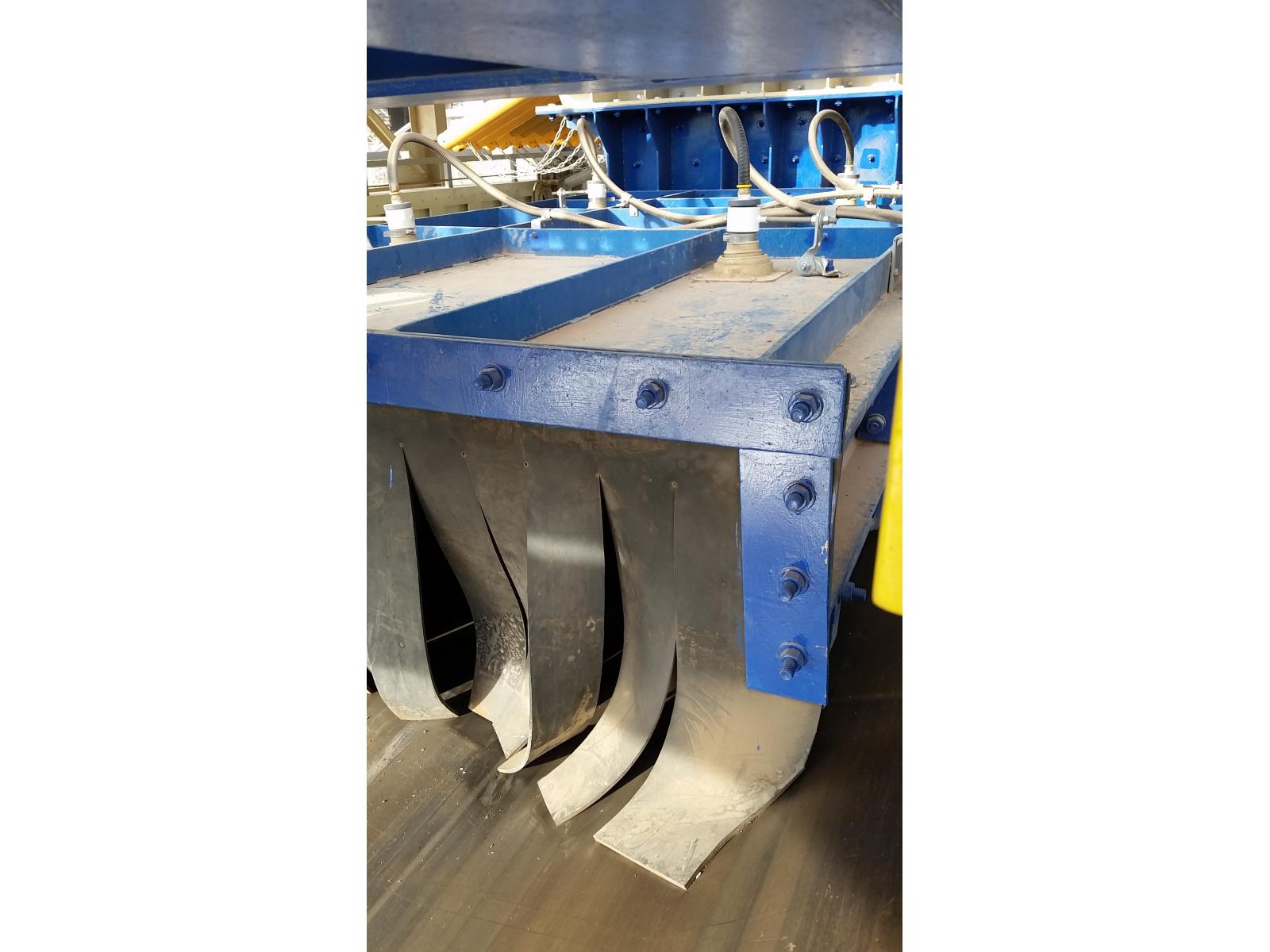
  • Double-lip conveyor skirt systems

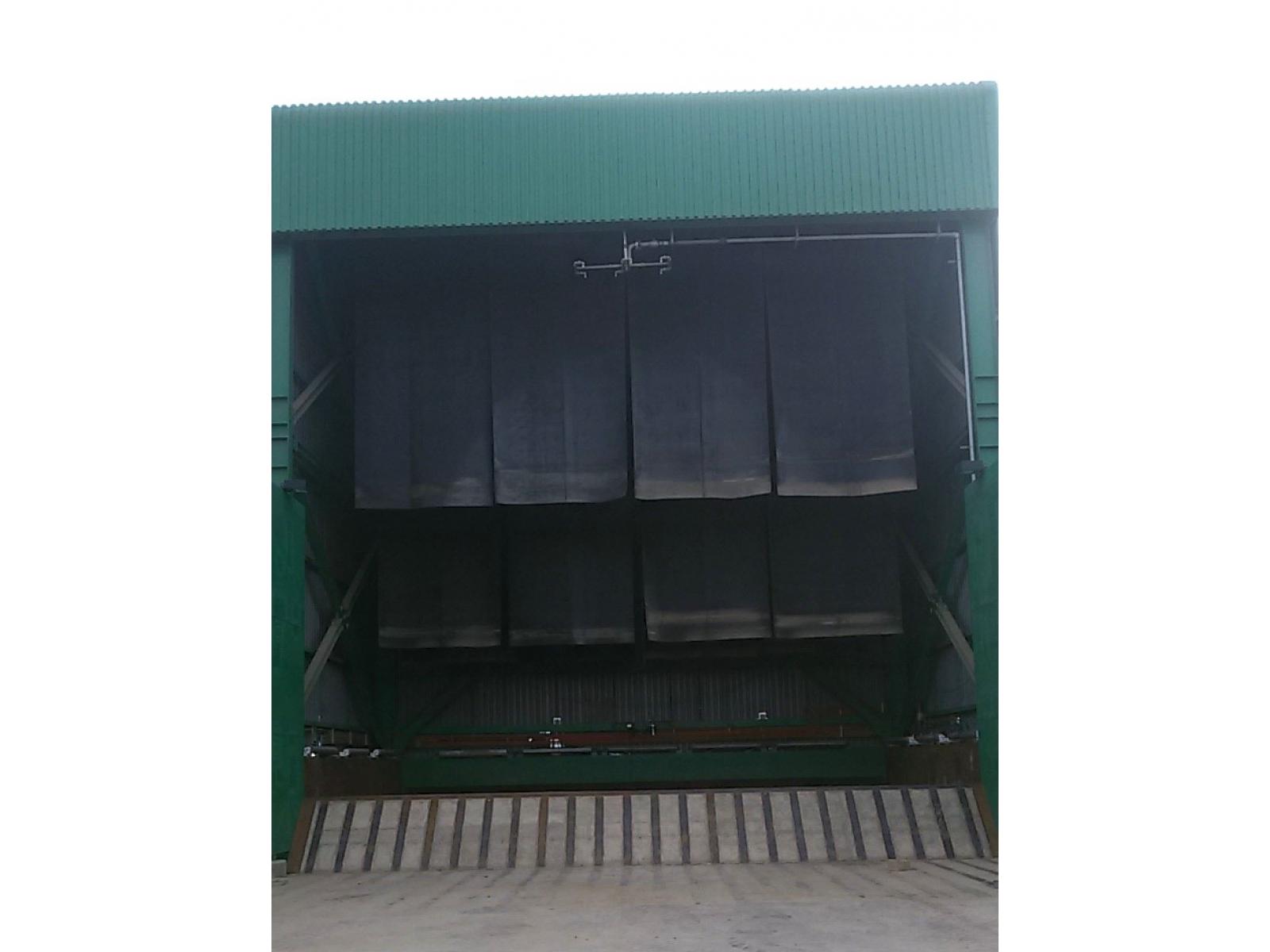
  • Rubber curtains and baffles

A successful mining dust control system also depends on the design of the transfer chute and the loading zone. A well-engineered chute reduces material impact, controls material flow, centers the load on the conveyor belt, reduces belt wear, minimizes spillage, and helps prevent dust generation.

For best performance, conveyor transfer points should include adequate belt support, properly sealed skirts, sufficient internal control volume, and engineered containment. TRC recommends an integrated design that considers the complete material-handling system, including transfer chutes, impact beds, conveyor skirting, containment structures, and either ADS™ Dry Fog dust suppression or dust extraction systems.

Collection Surfaces

The collection surface is the area exposed to both the ADS™ Dry Fog and the dusty air inside the containment zone. Containment walls, baffles, chute surfaces, and rubber curtains act as collection surfaces where fog droplets and airborne dust particles can interact.

These surfaces help support the agglomeration process by keeping the dust and microscopic fog droplets within the controlled area long enough for the particles to combine, become heavier, and settle back onto the material stream.