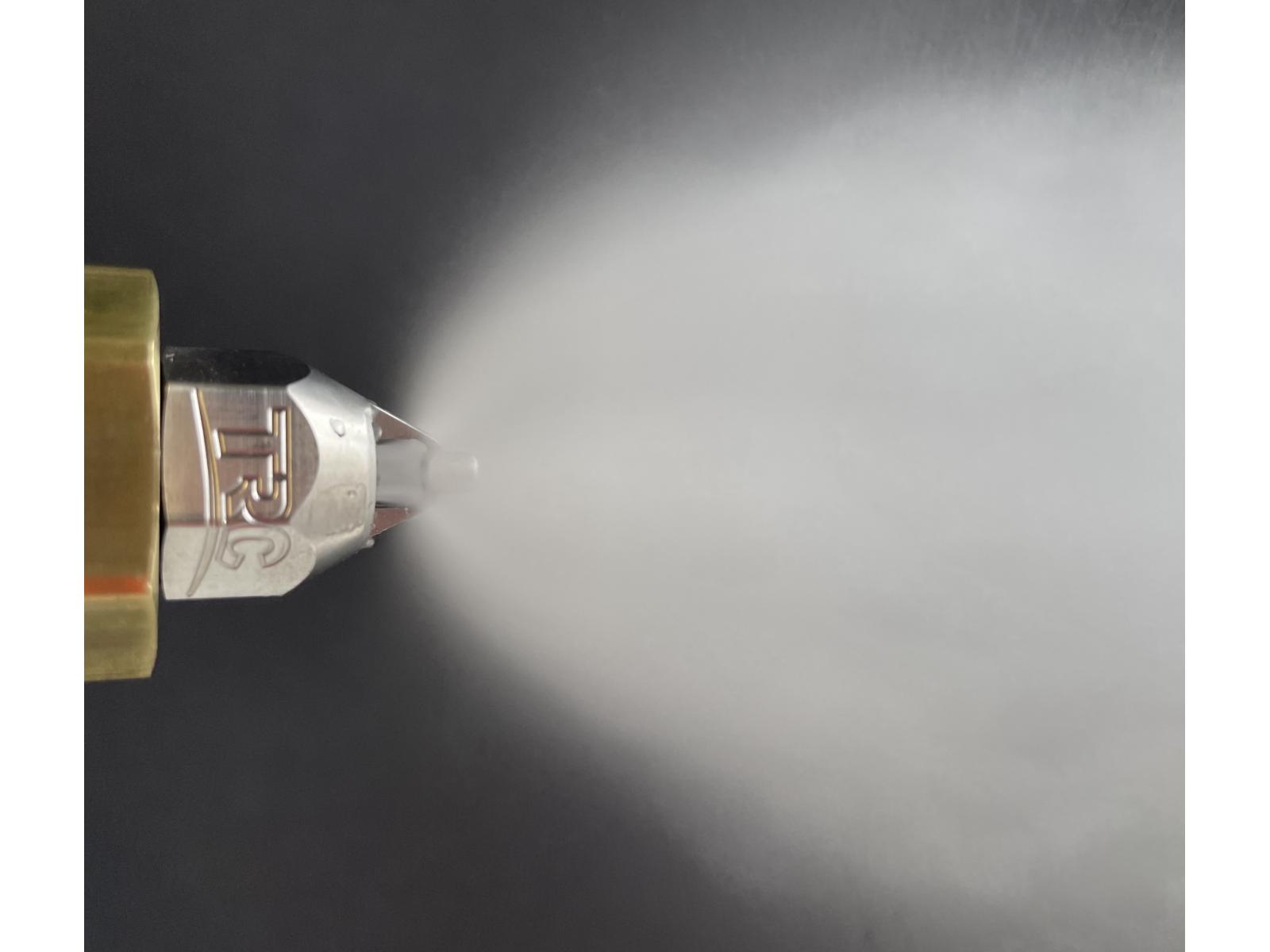
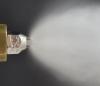
In this process, microscopic water droplets combine with airborne dust particles of similar size, forming larger and heavier particles that settle back onto the source material.
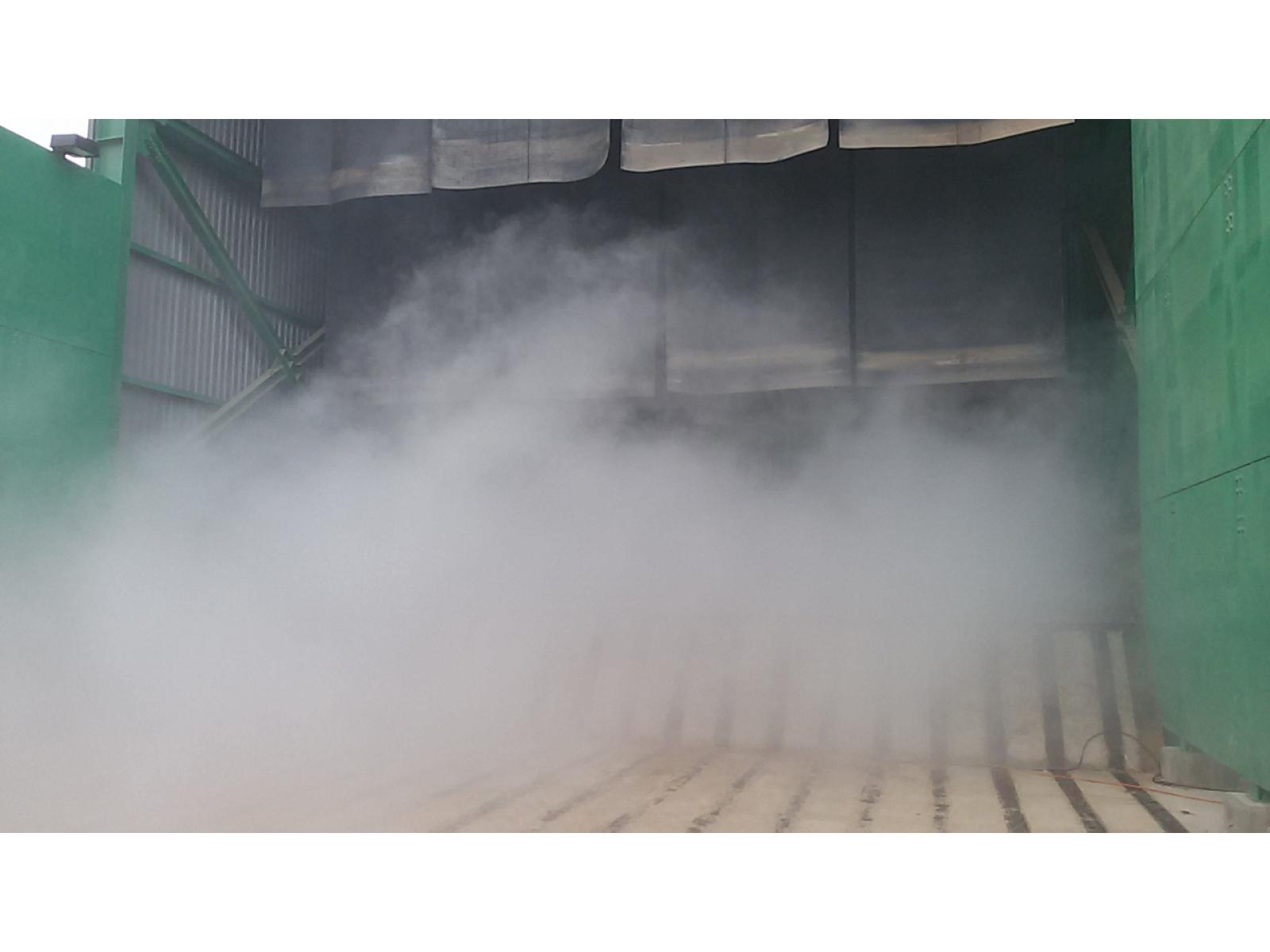
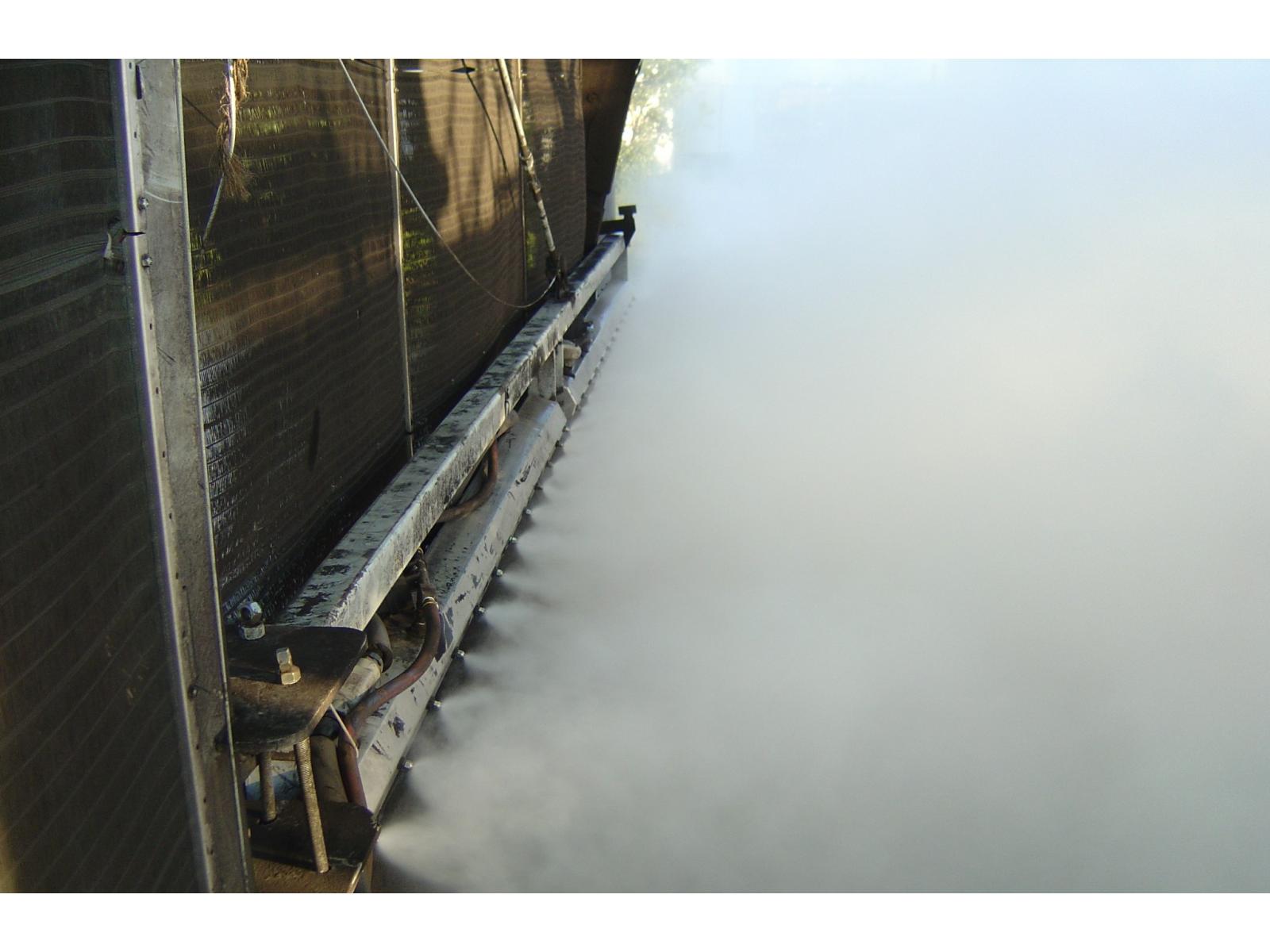
For effective dust control, the dry fog must be applied directly at the dust source. When fog blankets the point where dust is generated, such as a conveyor transfer point, crusher, screen, truck dump, reclaim tunnel, or material loading area, the agglomeration process begins immediately. This helps capture dust before it spreads into the surrounding air and becomes harder to control.
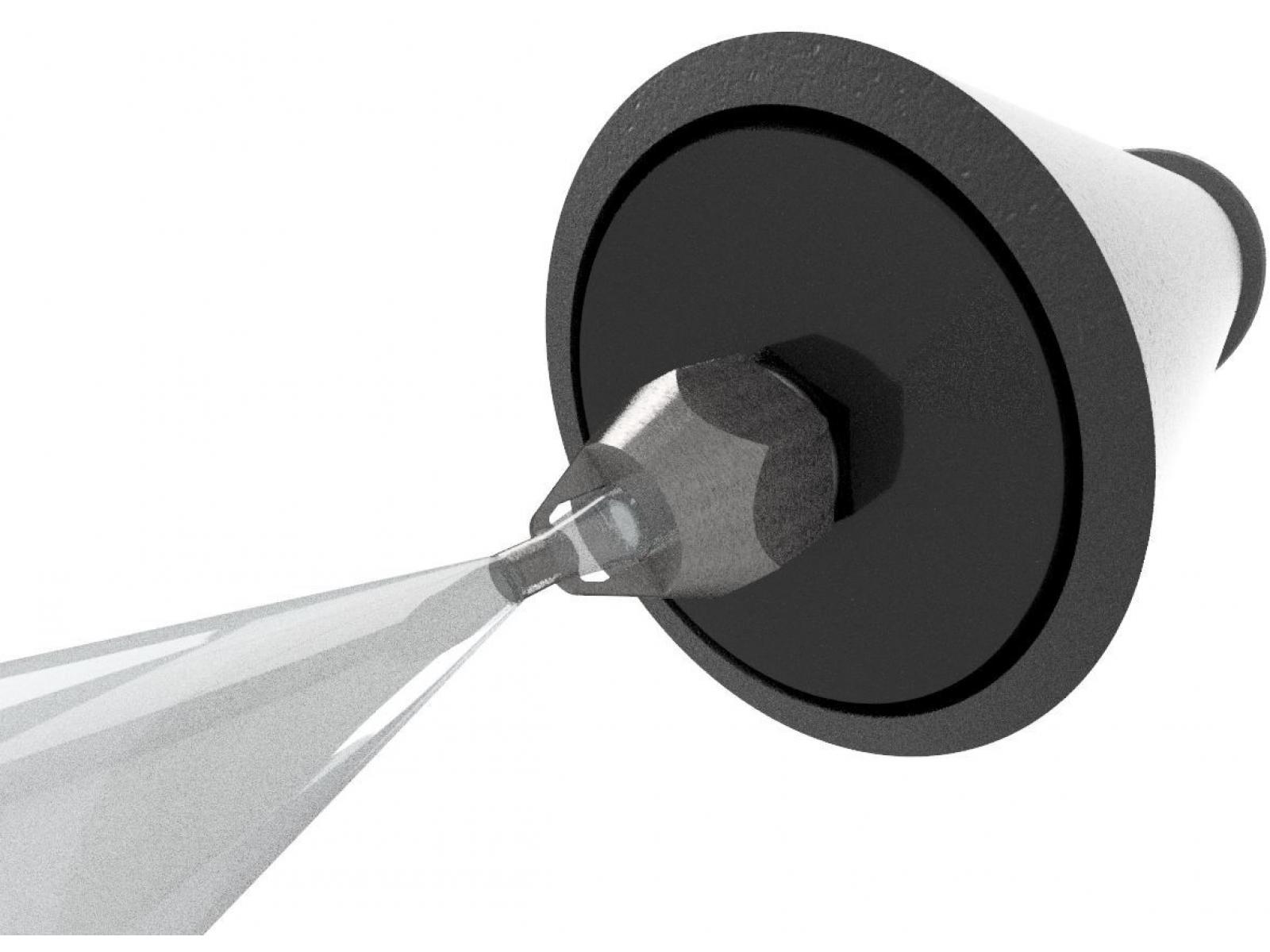
Droplet size is one of the most important factors in dry fog dust control. When water droplets are much larger than dust particles, the airflow around the droplet can push fine dust away and prevent contact. ADS™ Dry Fog technology produces very small water droplets that are similar in size to respirable and airborne dust particles, improving dust capture efficiency.
As dust particles and fog droplets combine, the resulting agglomerates become heavy enough to fall back onto the material stream. This allows the captured dust to continue through the material-handling process without requiring special collection, disposal, or chemical treatment.
ADS™ Dry Fog technology is designed for mining, mineral processing, coal handling, power generation, ports, and bulk material handling applications. The system can operate in hot, cold, humid, and dry climates. In cold environments, the microscopic droplets are less likely to freeze under normal operating conditions. In hot and arid environments, the fog creates a localized humid zone that helps reduce evaporation and supports efficient airborne dust control.