Skip to main content
Watch the Raring Corp Video Repository
[email protected]
|
+1 (360) 892-1659 |
Español
/
English
Home
Technologies
ADS™ Dry Fog
Water Spray Systems (WSS) for Dust Control
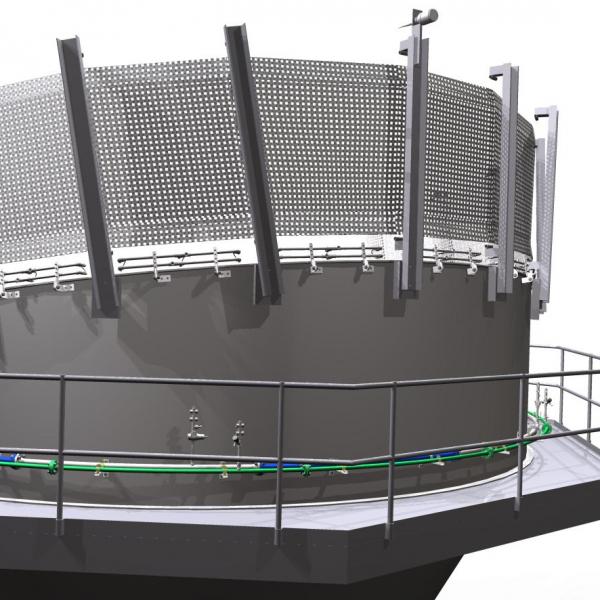
Wind Fences for Dust Control
Ancillary Equipment for Dust Suppression Systems
Industries
Mineral Mining Dust Control
Ports and Bulk Storage Dust Control
Coal-Fired Power Plant Dust Control
Coal Mining Dust Control
Applications
Projects and clients
TRC in the world
About TRC
Applications
After over 40 years working on Dust Control based on Dry Fog, we learnt how to use our technology in many different applications as follow
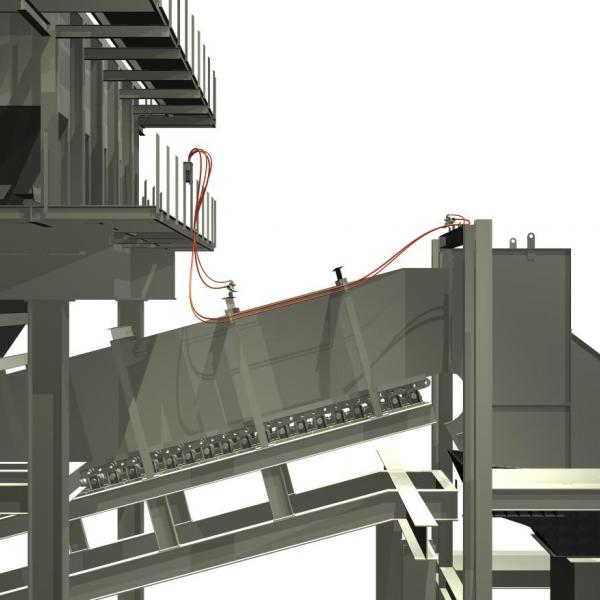
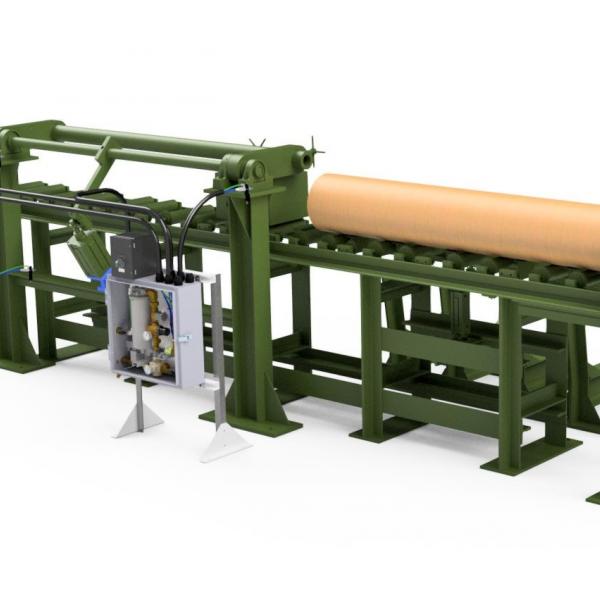
Apron Feeder Dust Control
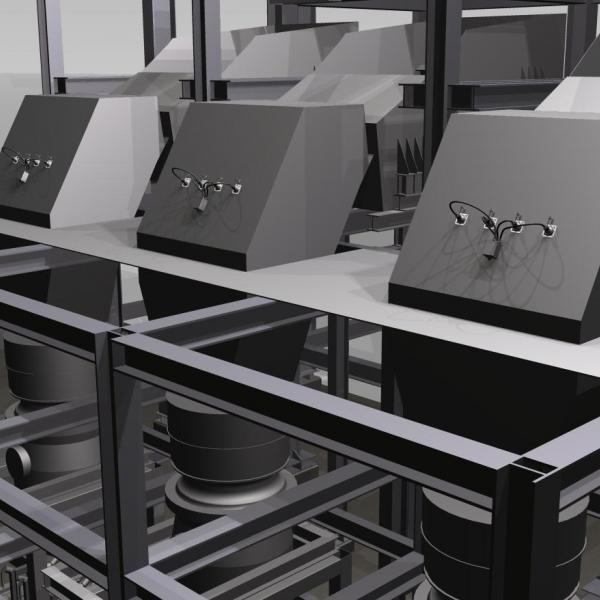
Baghouse Fines Discharge Dust Control
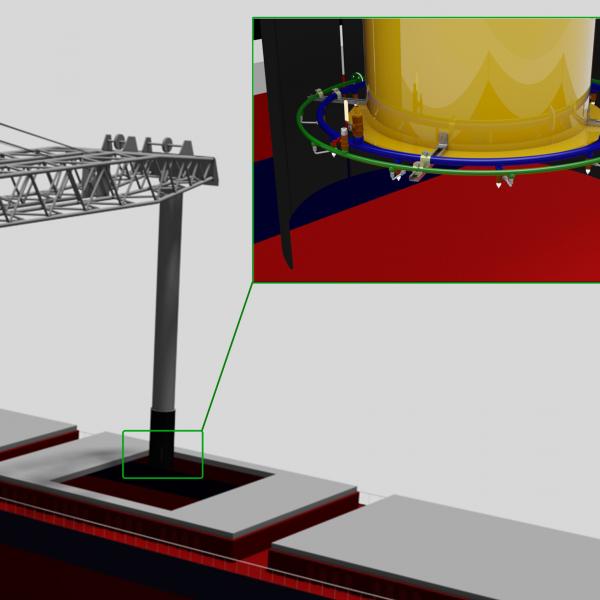
Barge and Ship Loading / Unloading Dust Control
Belly Rail Dump Dust Control
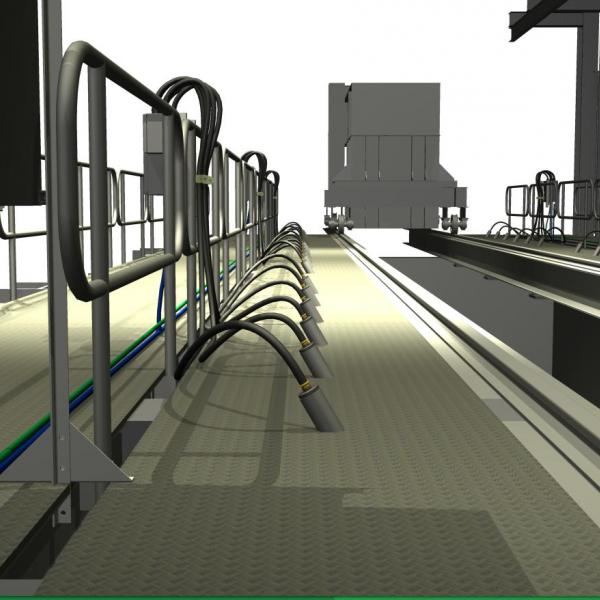
Bin and Tripper Car Discharge Dust Control
Biomass Dust Control
Crusher Loading and Unloading Dust Control
Fracking Sand Screen Dust Control
Mobile Dust Control Applications
ROM Bin Dust Control
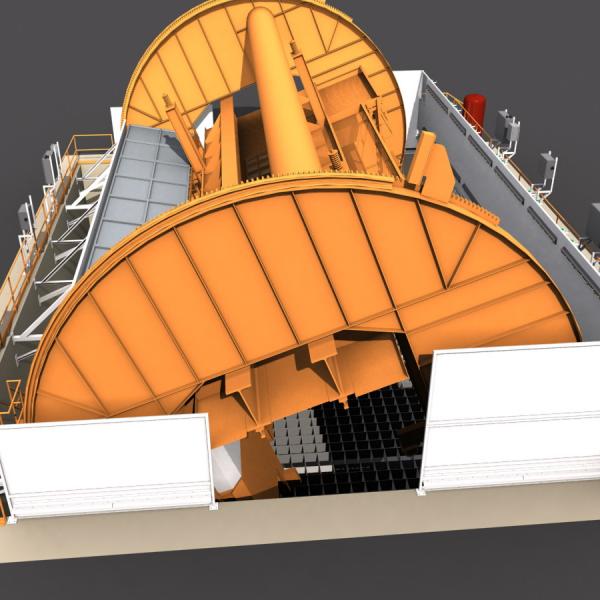
Rotary Rail Dump Dust Control
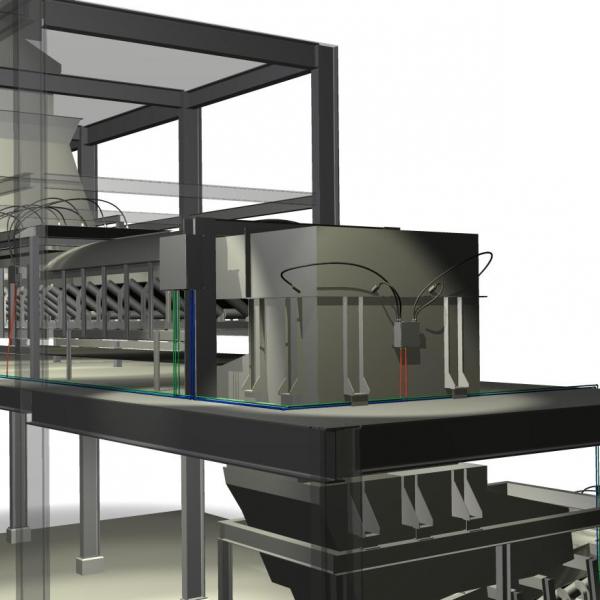
Screen Loading and Unloading Dust Control
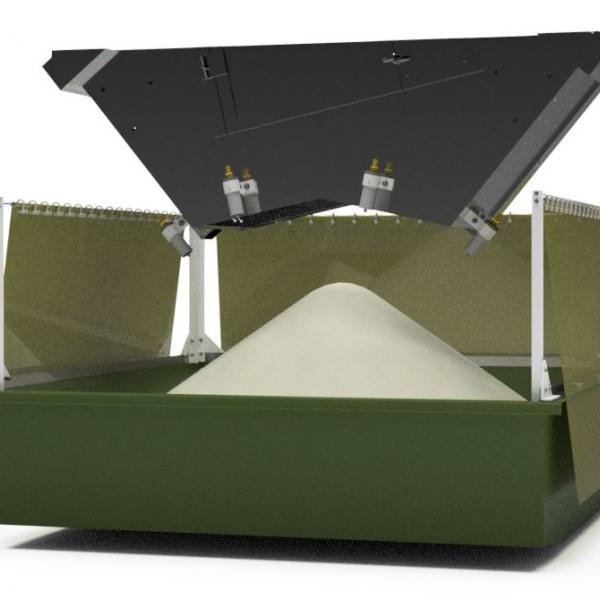
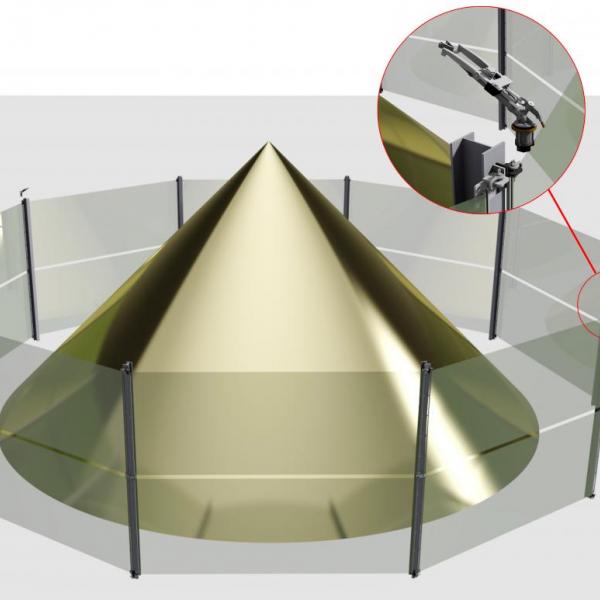
Stockpile Dust Control
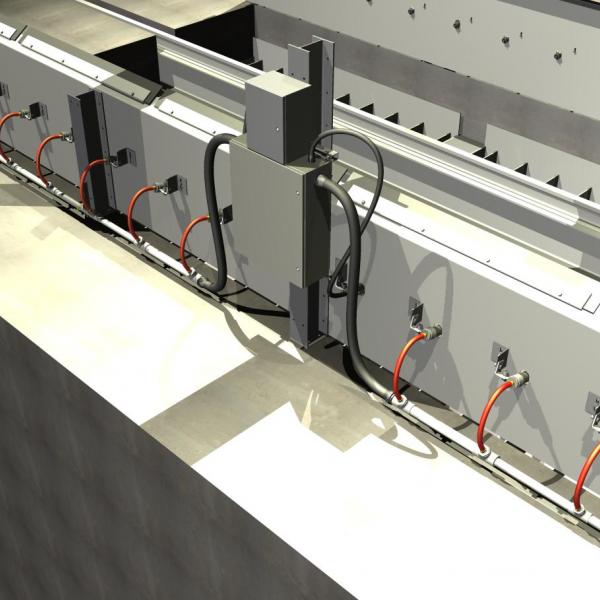
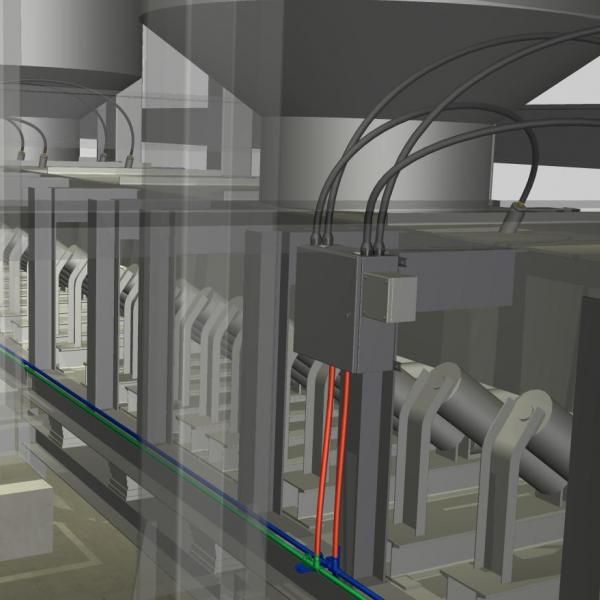
Transfer Point and Reclaim Tunnel Dust Control
Truck Belly Dump Dust Control
Truck Dump and Primary Crusher Dust Control
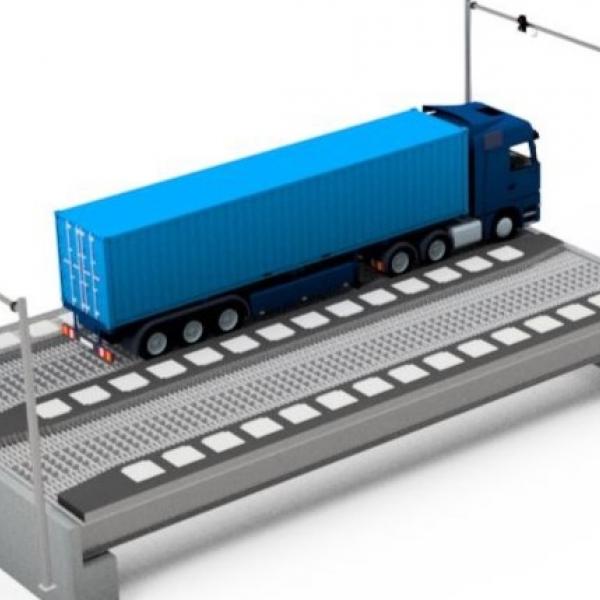
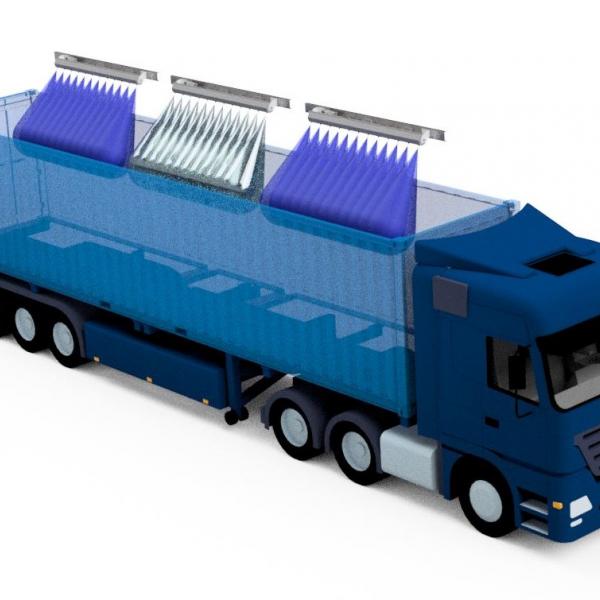
Truck Loading Dust Control
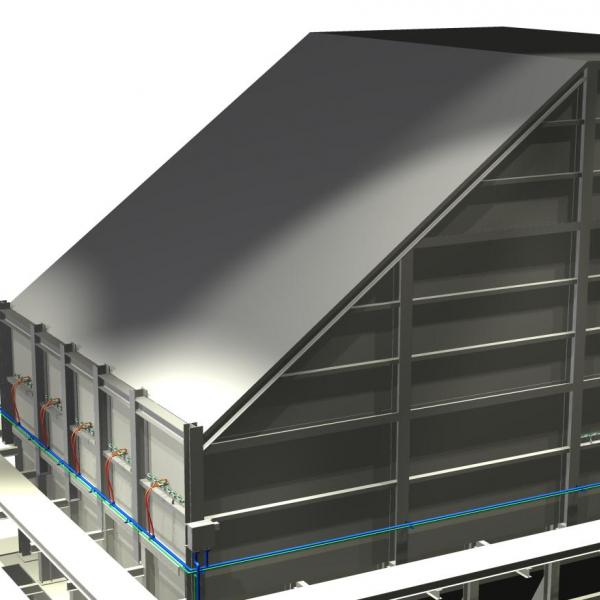
Unloading Hopper Dust Control