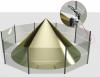
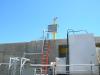
Stockpiles are challenging dust control applications because they often cover large open areas, contain valuable bulk material, and are highly exposed to wind. As material is added, stored, or reclaimed, the shape of the stockpile continuously changes, creating variable dust control conditions.
Effective stockpile dust control helps keep material within the stockpile boundaries, reduce product loss, minimize wind-blown dust emissions, and prevent dust from affecting nearby operations, communities, or surrounding areas.
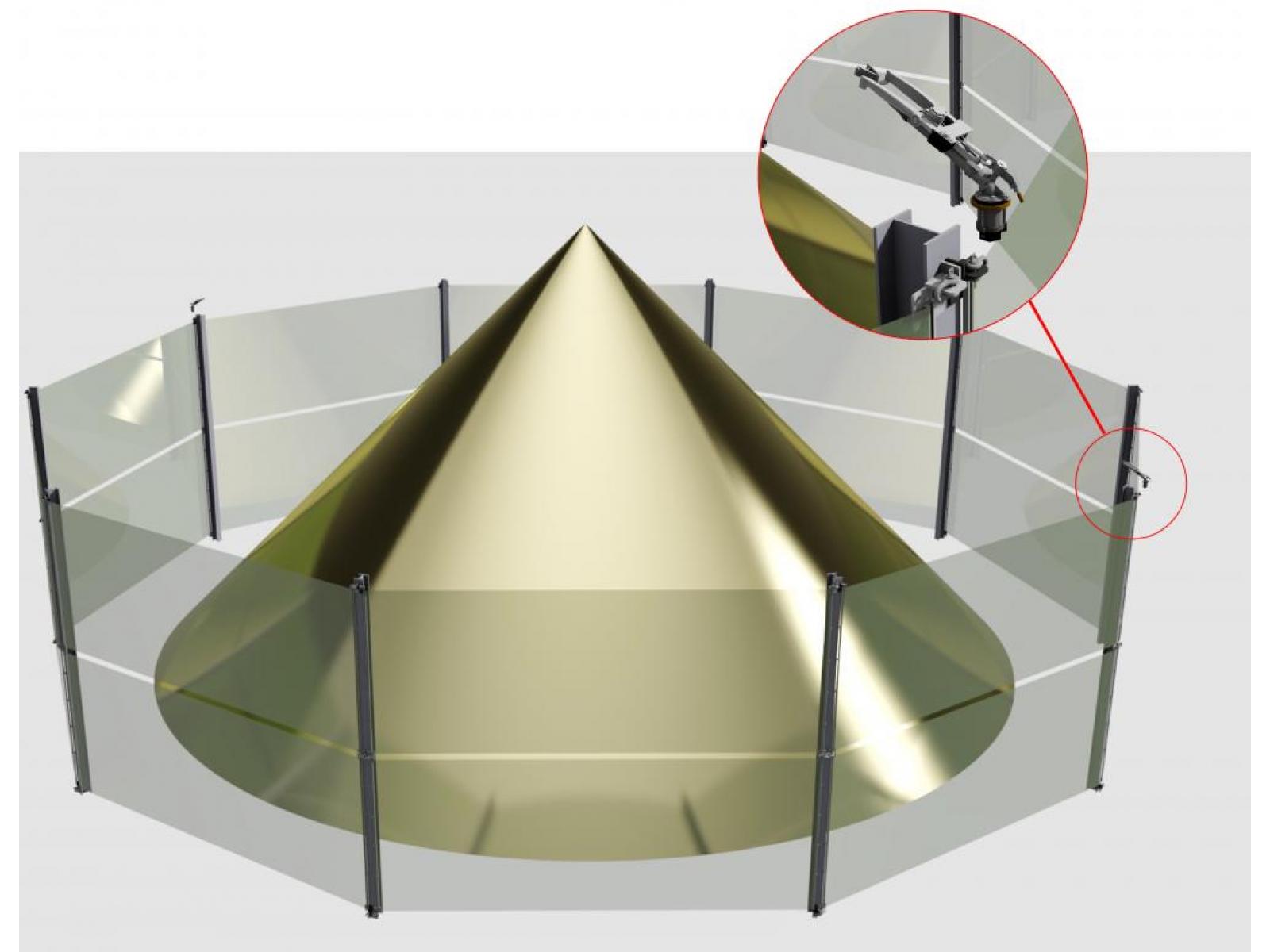
A properly designed wind fence can significantly reduce wind speed around or upstream of the stockpile, helping decrease airborne dust generation and material erosion. Wind fences provide passive dust control by reducing wind velocity and limiting the movement of dust from exposed material surfaces.
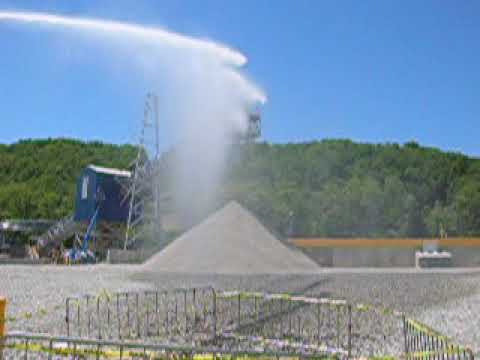
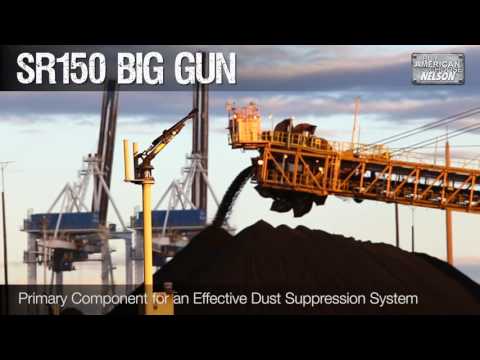
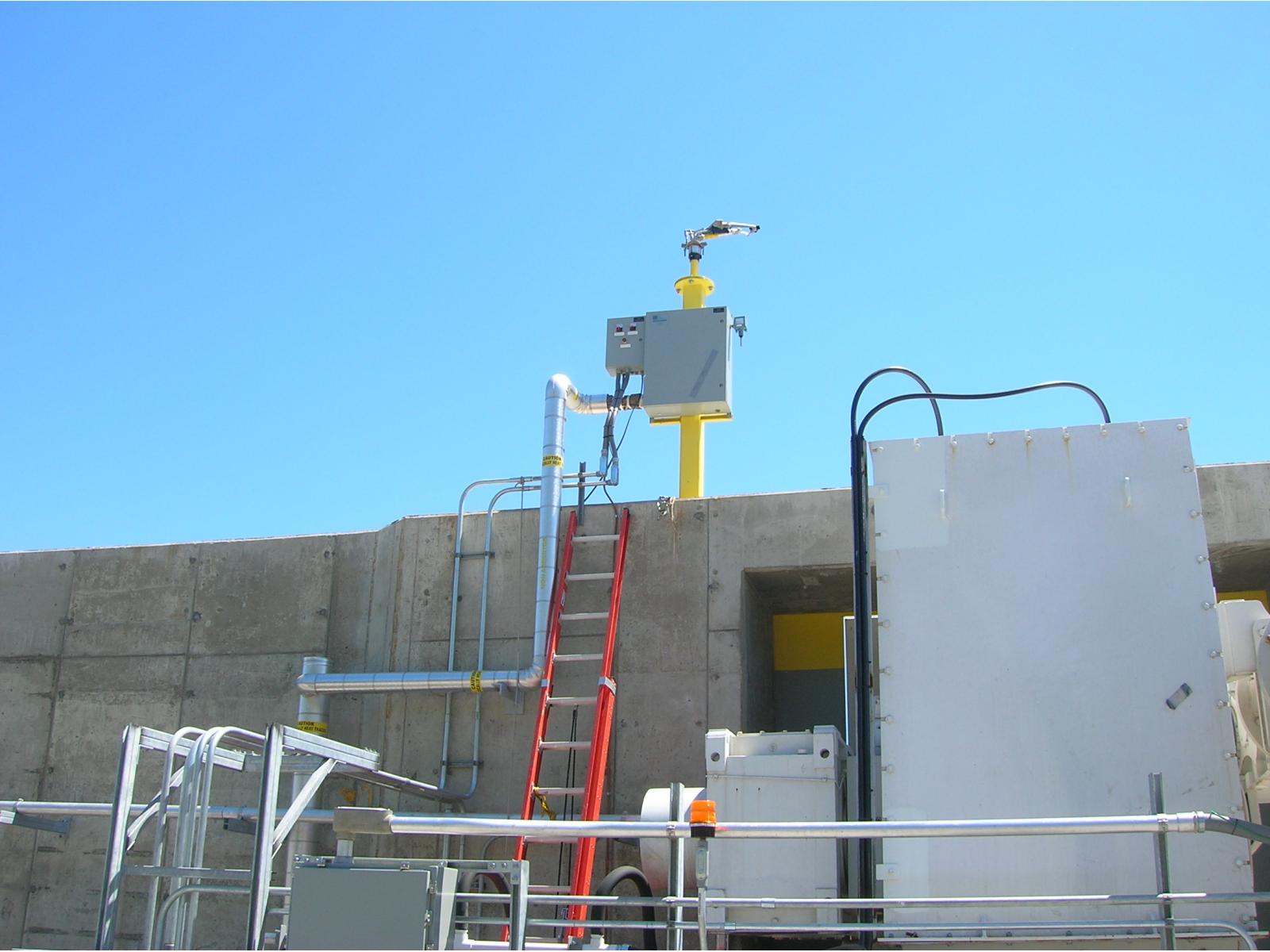
Another effective strategy is the use of Water Yard Spray Systems. Each material has a specific Dust Extinction Moisture (DEM) level, where dust generation is reduced or minimized. Yard spray systems help increase and maintain surface moisture on the stockpile, reducing wind-blown dust and supporting better material containment.
For many applications, TRC recommends combining wind fences and Water Yard Spray Systems to improve stockpile dust control performance in mining, power generation, ports, stockyards, and bulk material handling operations.
Technologies: Water Yard Spray Systems, wind fences, passive dust control, Dust Extinction Moisture (DEM), stockpile moisture control
Industries: mining, power plants, ports, stockyards, bulk material handling